April 25, 2026
Preparing land for construction, landscaping, agriculture, or development requires more than simply removing trees and vegetation. Proper site preparation involves planning, safety considerations, and the right equipment to transform raw property into a usable and stable environment. Whether a homeowner is preparing land for a new house or a developer is beginning a large project, careful clearing allows the rest of the work to proceed smoothly and helps prevent unexpected obstacles later in the building process.
Professional land clearing services help property owners prepare sites efficiently while protecting surrounding landscapes and minimizing unnecessary disruption. Experienced crews evaluate terrain, remove obstacles, and create a workable foundation for construction or land improvement projects. With the right approach, clearing land not only accelerates development timelines but also improves safety, drainage, and overall land usability while supporting more accurate planning and long-term property value.
Preparing Land for Development
One of the most important steps in beginning any construction or improvement project is preparing the site. Trees, brush, rocks, and debris can make it difficult to survey the land, install foundations, or operate equipment safely. Clearing these obstacles allows contractors, builders, and property owners to see the layout of the property more clearly and plan development with greater accuracy. This early stage often reveals soil conditions, slopes, and drainage patterns that influence how a project will move forward.
Professional land clearing services make this process far more efficient than attempting it with limited tools or equipment. Trained crews use specialized machinery designed to remove vegetation while preserving the structural integrity of the soil. They can remove stumps, roots, and dense undergrowth while leaving the ground level enough for surveying, grading, and construction preparation. This level of precision is especially valuable when building homes, installing driveways, or planning landscaping features. Proper clearing can also help improve soil accessibility for engineers and surveyors who need accurate measurements before construction begins. When the ground is open and visible, it becomes easier to determine where foundations, utilities, and drainage systems should be installed.
Clearing also improves overall property safety. Dead trees, unstable roots, and hidden debris can pose serious hazards during construction or recreational use of land. Removing these dangers early reduces risks for workers and property owners while creating a more organized, manageable worksite. In addition, an open and properly cleared site allows contractors to transport materials and equipment more easily, reducing delays during early construction phases. Proper preparation also improves visibility across the property, making it easier for project managers to coordinate crews and track progress. With obstacles removed and the landscape clearly defined, builders can begin grading, installing utilities, and laying foundations with far greater efficiency and confidence.
Selecting Effective Clearing Methods
Different properties require different approaches to clearing vegetation and preparing the ground. The right method depends on factors such as terrain, soil stability, vegetation density, and the intended use of the land. Some projects require large-scale mechanical clearing using bulldozers, excavators, and forestry mulchers, while others benefit from selective clearing that removes specific plants while preserving valuable trees. Careful planning ensures that the chosen approach supports both the short-term goals of the project and the long-term health of the land.
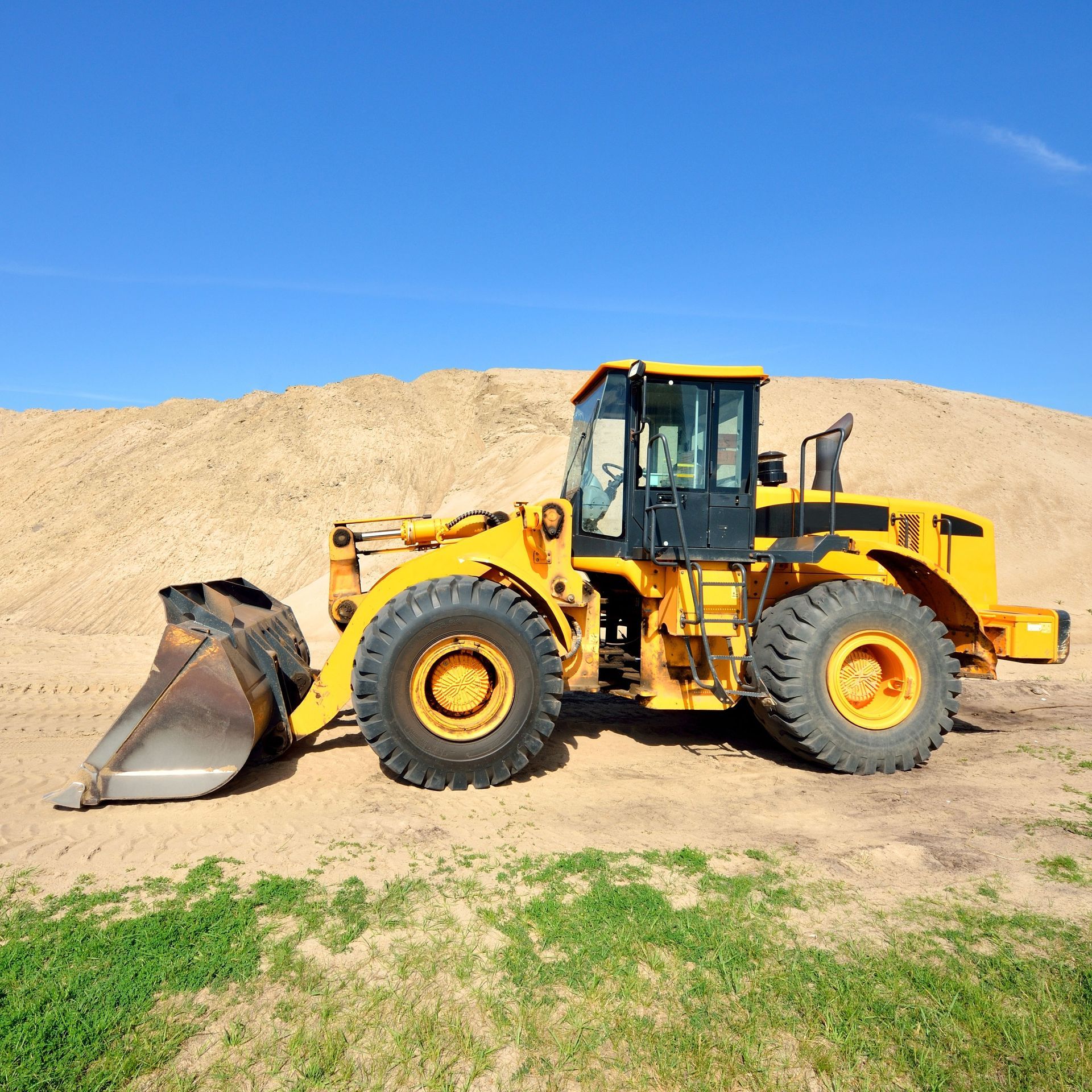
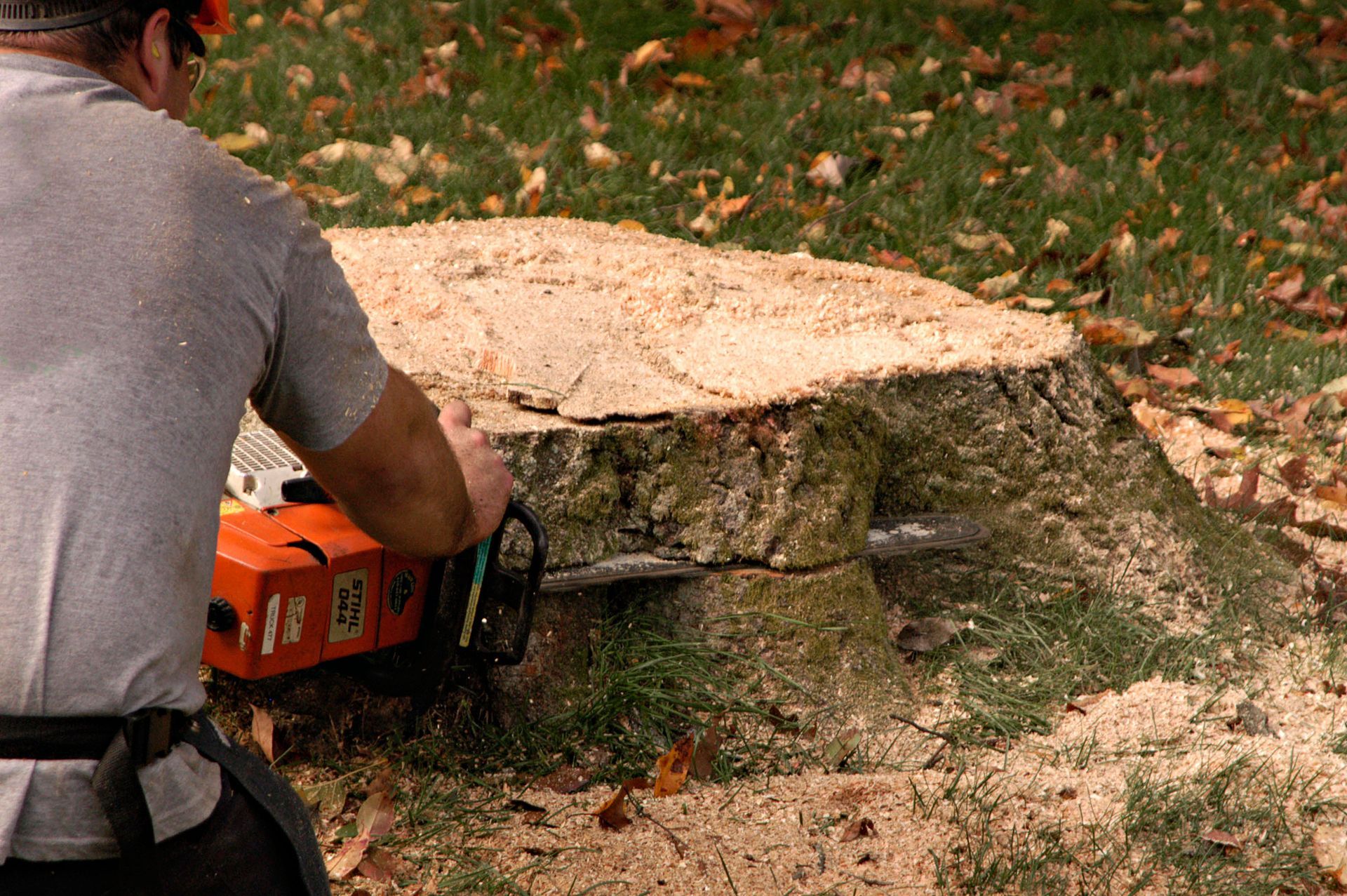
Mechanical clearing is commonly used on larger properties or areas with dense vegetation because it allows crews to work quickly and efficiently. Heavy equipment can remove trees, grind stumps, and clear brush while preparing the surface for grading or development. On smaller sites or areas where preserving certain vegetation is important, manual clearing techniques allow crews to carefully remove unwanted growth while protecting surrounding plants and natural features.
Experienced providers of land clearing services evaluate the property before choosing the most appropriate method. By combining different techniques when necessary, they can clear land efficiently while maintaining soil stability and minimizing environmental disruption. This thoughtful approach helps ensure the land remains suitable for construction, agriculture, or landscaping once clearing is complete. It also allows crews to adapt their strategy if unexpected conditions such as rocky soil, wetlands, or protected vegetation are encountered during the project.
Evaluating the Benefits of Professional Expertise
Hiring trained professionals offers several advantages that go beyond simple vegetation removal. Experienced crews understand how to evaluate soil conditions, drainage patterns, and vegetation types before beginning work. This knowledge helps them select the safest and most effective clearing strategies while avoiding unnecessary damage to the surrounding environment.
Access to specialized equipment also plays a major role in improving efficiency. Forestry mulchers, excavators, stump grinders, and bulldozers allow crews to clear large areas much faster than manual labor alone. According to HomeGuide, clearing a small residential lot with light vegetation might take only one to three days, while heavily forested multi-acre properties can take several weeks. Professional land clearing services can coordinate machinery and labor to keep projects moving forward within realistic timelines.
Another important advantage involves regulatory awareness. Land development projects may require permits, erosion control measures, or environmental considerations, depending on local guidelines. Experienced clearing teams understand these requirements and plan their work accordingly, helping property owners avoid delays or compliance issues.
Managing Environmental Responsibility
Land clearing often raises concerns about environmental impact, but responsible clearing practices can actually support healthier landscapes. Selective clearing techniques remove invasive plants, diseased trees, or excessive brush while preserving strong native vegetation. This balanced approach improves sunlight penetration, encourages healthier plant growth, and helps maintain ecological stability.
Professional land clearing services also take steps to protect soil quality. Heavy vegetation removal can sometimes expose soil to erosion, especially on sloped properties. Skilled operators manage this risk by controlling how vegetation is removed, maintaining root structures where beneficial, and using techniques such as mulching or debris redistribution to protect the ground surface.
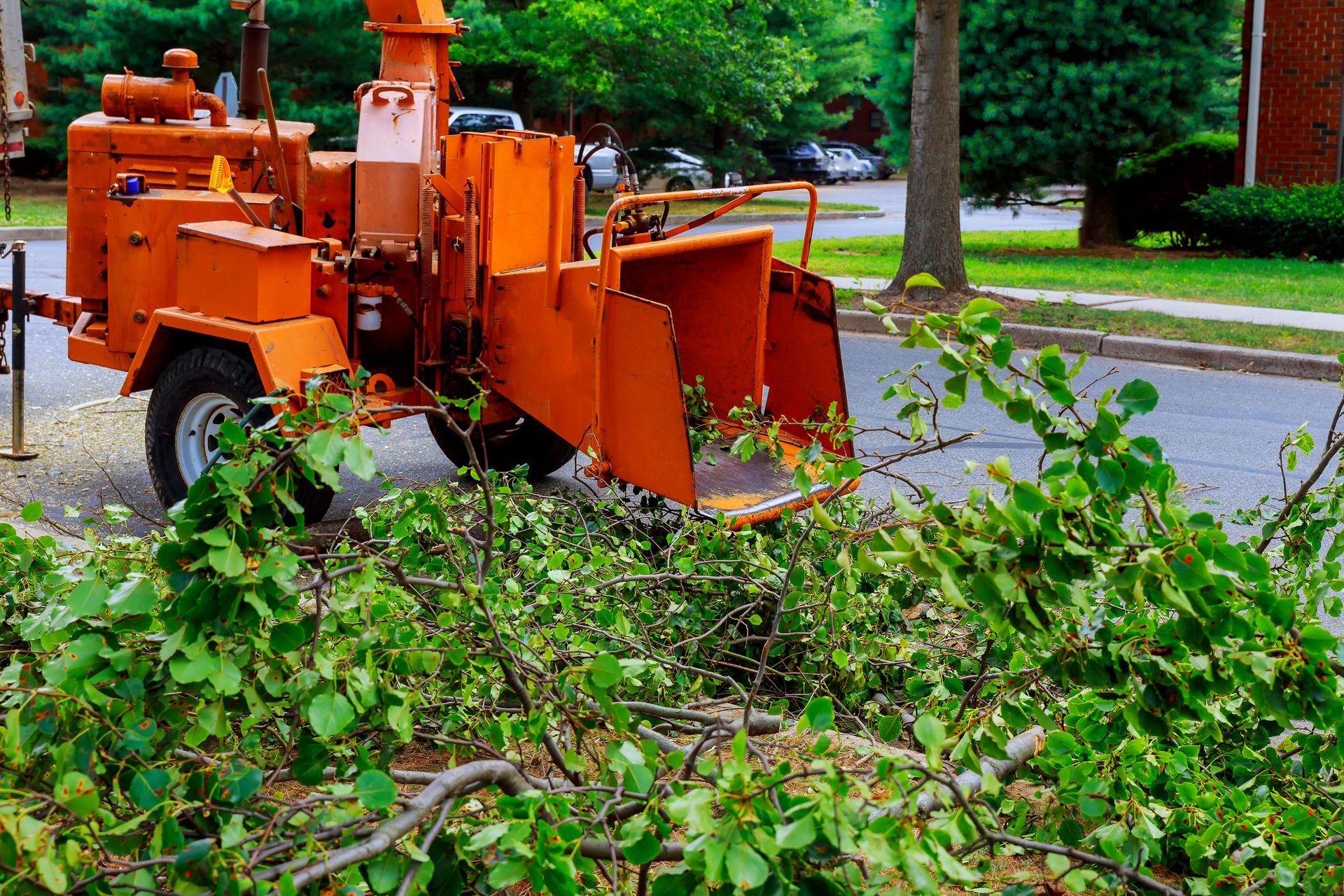
Proper debris management is another important environmental factor. Instead of leaving piles of brush or waste materials behind, many clearing projects involve mulching organic debris or removing it from the site entirely. This reduces fire hazards, improves the land's appearance, and prepares the property for future construction or landscaping work.
Completing the Land Clearing Process
Successful clearing projects typically begin with a thorough site assessment. During this stage, professionals examine vegetation density, soil conditions, slopes, and property boundaries. These observations help determine the safest and most effective strategy for removing obstacles while maintaining the integrity of the land.
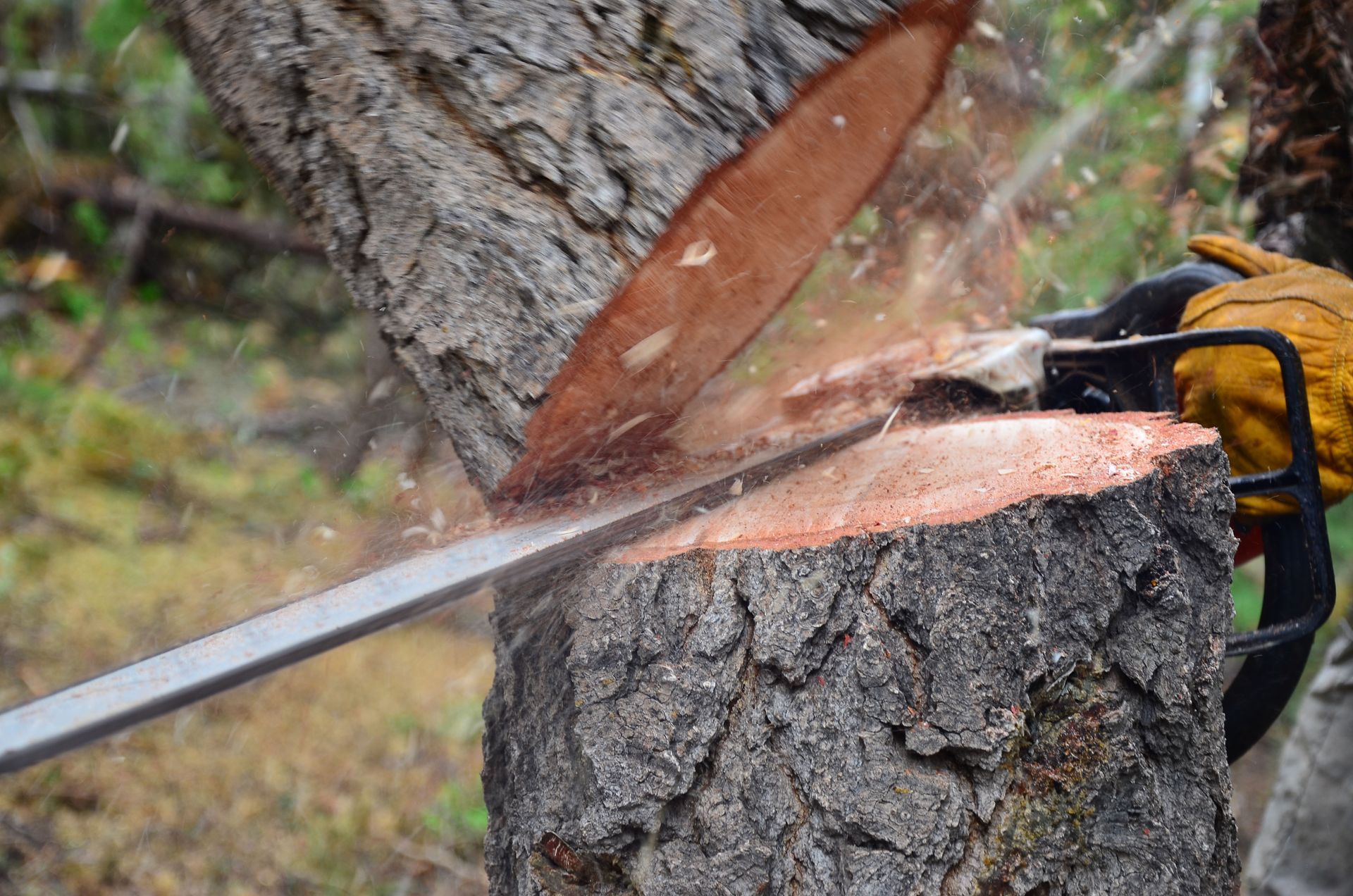
Once planning is complete, crews begin clearing operations using equipment suited to the project's scale. Trees and brush are removed, stumps are ground down, and debris is processed or hauled away. Throughout the process, operators monitor soil stability and site conditions to ensure the land remains suitable for grading, construction, or landscaping activities that follow.
After clearing is finished, the site may undergo additional preparation such as debris removal, surface smoothing, or erosion control measures. These final steps help stabilize the land and ensure it is ready for the next phase of development, whether that involves building structures, installing utilities, or planting new vegetation.
Property owners who invest in experienced clearing teams often benefit from faster project timelines, improved site safety, and better long-term land usability. With the right preparation and planning, raw land can quickly become a functional and valuable space ready for development or improvement. For more information about the services that we offer, reach out to our incredible team at Shamblin's Tree Service today!