April 28, 2026
Tree stumps are often left behind after a tree has been cut down, but they can create more problems than many homeowners realize. From safety hazards to pest infestations, an old stump can negatively impact both the appearance and functionality of your outdoor space. Proper stump removal is essential for maintaining a clean, safe, and usable landscape.
Beyond aesthetics, removing a stump also helps protect nearby plants and structures. Over time, stumps can decay, attract insects, and even encourage unwanted growth. Addressing the issue early ensures your yard remains healthy and visually appealing.
Identifying Common Problems Caused by Tree Stumps
Leaving a stump in place can lead to a variety of issues that worsen over time. One of the most immediate concerns is safety. Stumps can become tripping hazards, especially in high-traffic areas or yards where children and pets play. They may also be hidden by grass or leaves, increasing the risk of accidental falls and injuries.
Another major problem is pest activity. Decaying wood attracts termites, ants, beetles, and other insects that may eventually spread to nearby trees or even your home. Fungi and mould can also develop, creating additional concerns for plant health. In some cases, these organisms can accelerate the decay process and impact the surrounding soil quality.
Tree stumps can also interfere with landscaping efforts. They make mowing more difficult, limit planting options, and can disrupt the overall design of your yard. Additionally, some stumps may begin to sprout new growth, leading to multiple small shoots that are difficult to manage. These challenges highlight why stump removal is often a necessary step after tree removal.
Exploring Different Removal Methods
There are several methods available for removing a tree stump, each with its own advantages and limitations. The most common approaches include manual removal, chemical treatments, and stump grinding. Choosing the right method often depends on the size of the stump, its location, and the level of effort you are willing to invest.
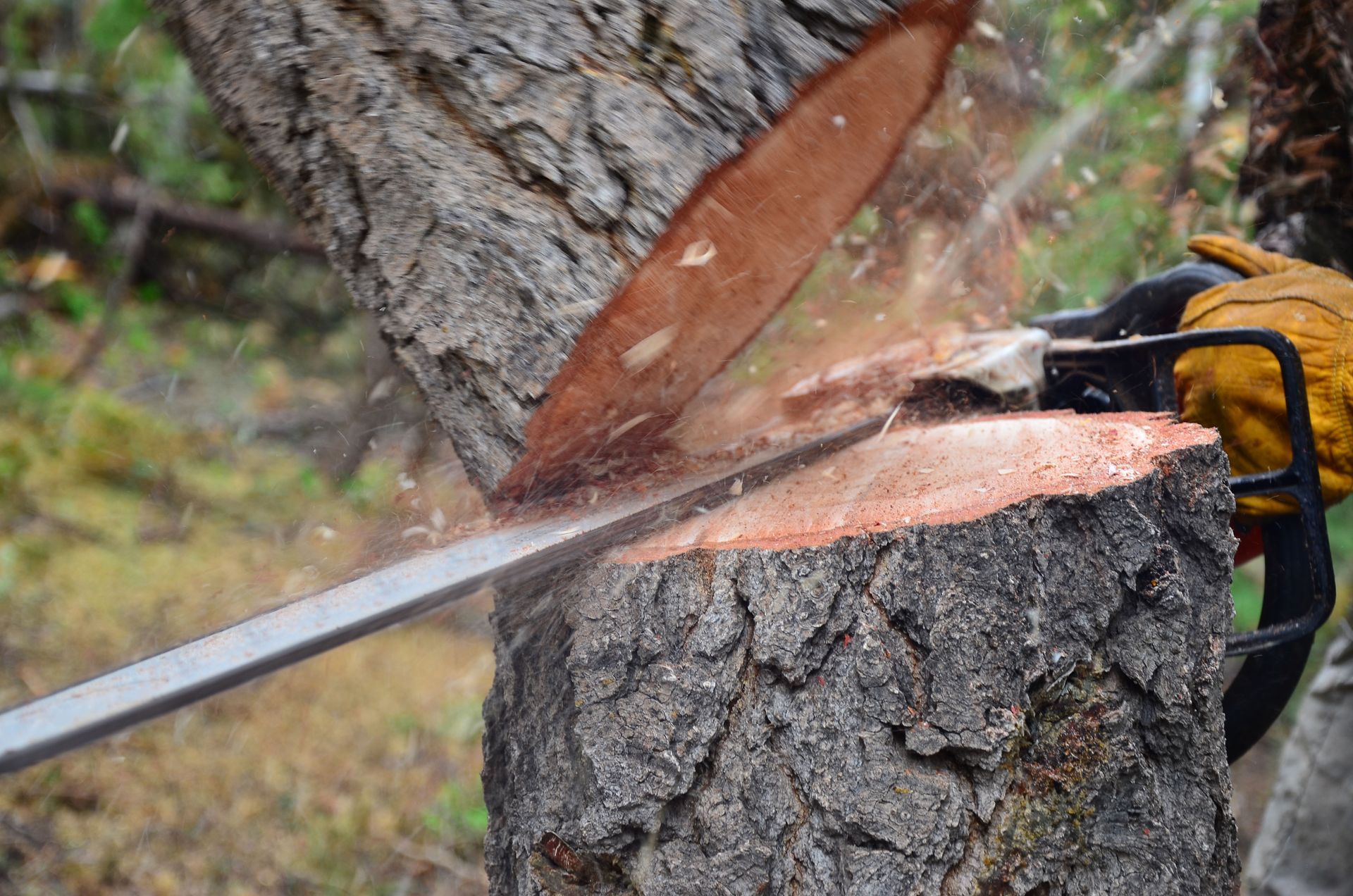
Manual removal involves digging around the stump and cutting through roots until it can be pulled out. While this method can be effective for smaller stumps, it is labor-intensive and time-consuming. It also requires the right tools and physical effort. In rocky or compacted soil, the process can become even more challenging and may not be practical without additional equipment.
Chemical removal uses specialized products to accelerate the decomposition process. Although this method requires less physical work, it can take weeks or even months for the stump to break down completely. It may also involve handling potentially hazardous substances. Weather conditions, such as rain or temperature, can also impact how quickly the chemicals take effect.
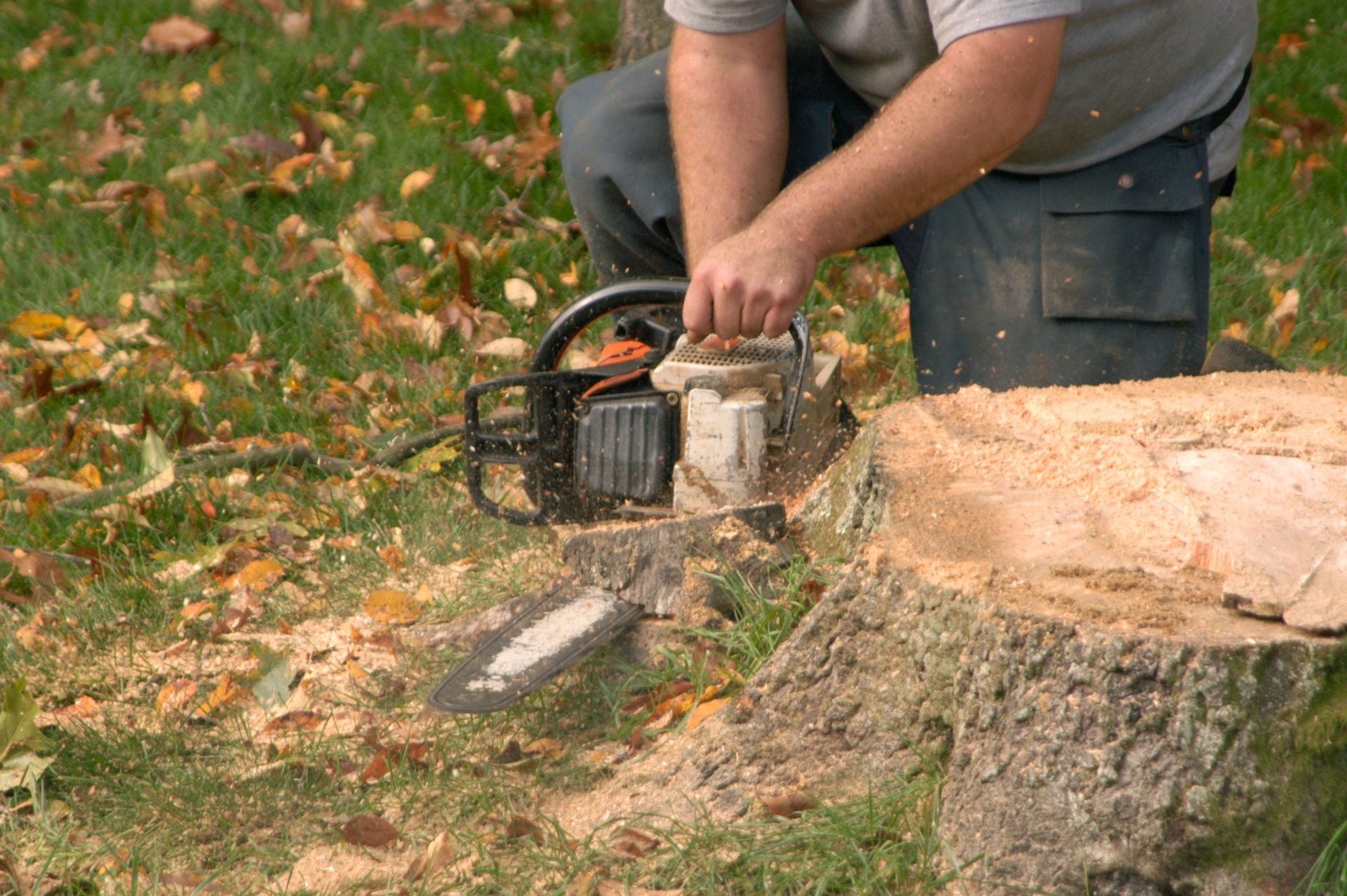
Stump grinding is widely considered the most efficient method. This process uses a machine to grind the stump into small wood chips, eliminating it below ground level. For most homeowners, this is the fastest and most practical solution. It also allows the area to be reused more quickly for planting or landscaping projects.
Choosing Professional Stump Grinding Services
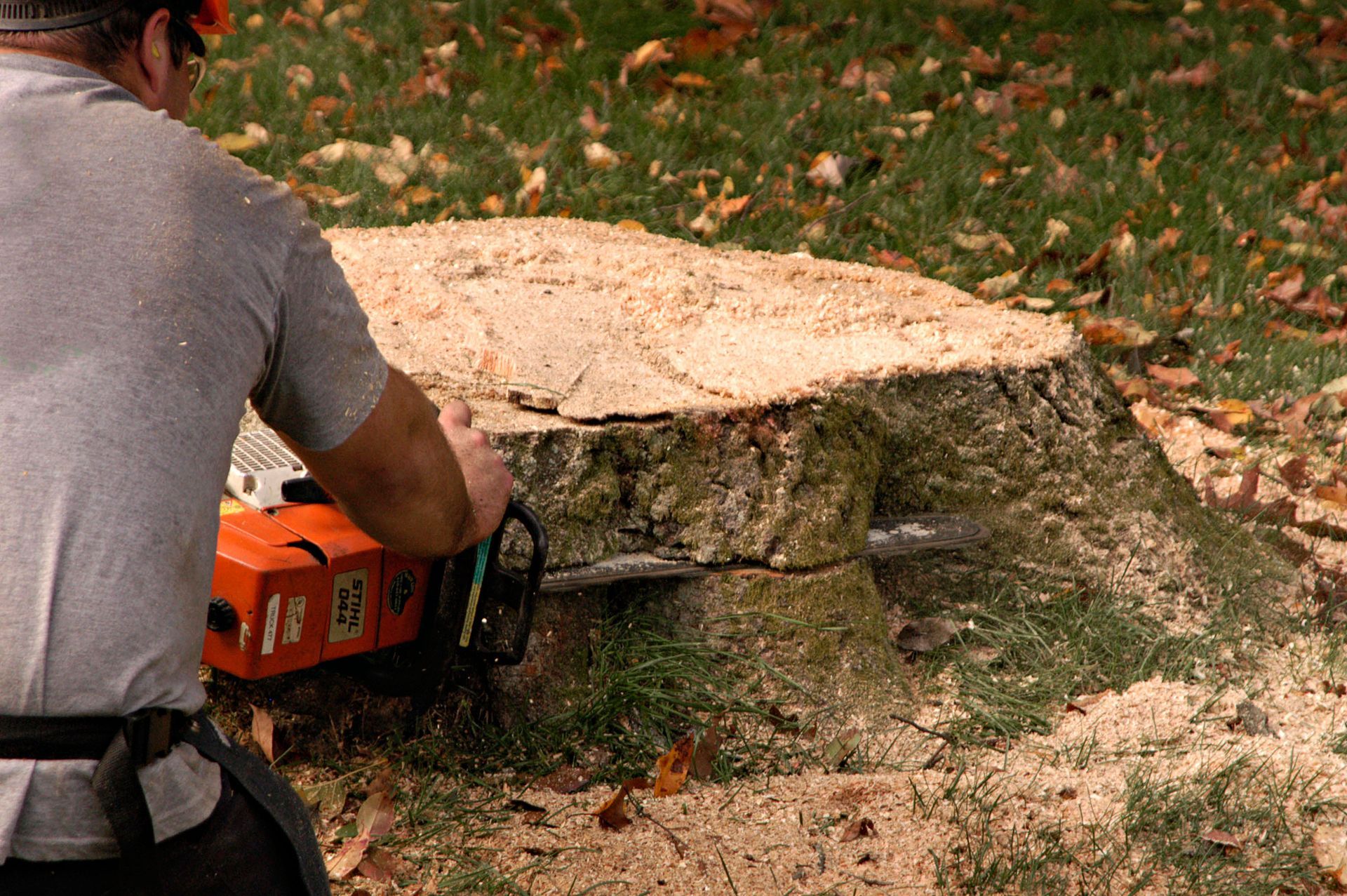
When it comes to efficiency and safety, professional services are often the best choice. According to Iowa State University, the quickest, easiest, and safest way to remove a tree stump is by hiring an arborist to grind it out. These large machines will chew away the stump and any large lateral roots, typically down 8 to 12 inches. This approach not only speeds up the process but also ensures a more thorough removal compared to many DIY methods.
Hiring a professional ensures the job is completed correctly and with minimal risk. Arborists have the experience and equipment needed to handle stumps of all sizes, including those located in difficult or confined spaces. They are also trained to identify potential hazards, such as unstable ground or hidden obstacles, before beginning the work.
Professional stump removal also reduces the likelihood of damage to surrounding areas. Experts can carefully assess the site and take the necessary precautions to protect nearby plants, structures, and underground utilities. In addition, many services include cleanup, leaving your yard tidy and ready for the next stage of landscaping.
Preparing Your Yard
Before starting the removal process, it is important to prepare your yard properly. Begin by clearing the area around the stump, removing rocks, debris, and any obstacles that could interfere with equipment or tools. Trimming back nearby grass, shrubs, or low-hanging branches can also create better access and improve visibility during the work.
You should also identify any underground utilities such as water lines, gas lines, or electrical cables. Contacting local utility services to mark these lines can help prevent accidental damage during the removal process. Taking this step is especially important when digging or using heavy machinery, as striking a utility line can be dangerous and costly.
In addition, consider the size and location of the stump. Larger stumps or those close to structures may require professional assistance. You should also plan for how the area will be restored afterward, whether by filling the space with soil, planting grass, or adding new landscaping features. Proper preparation ensures that stump removal is carried out safely and efficiently.
Managing the Aftermath
Once the stump has been removed, there are a few steps to restore your landscape. The grinding process typically leaves behind wood chips and a hole where the stump once stood. These materials can be repurposed or removed depending on your preferences.
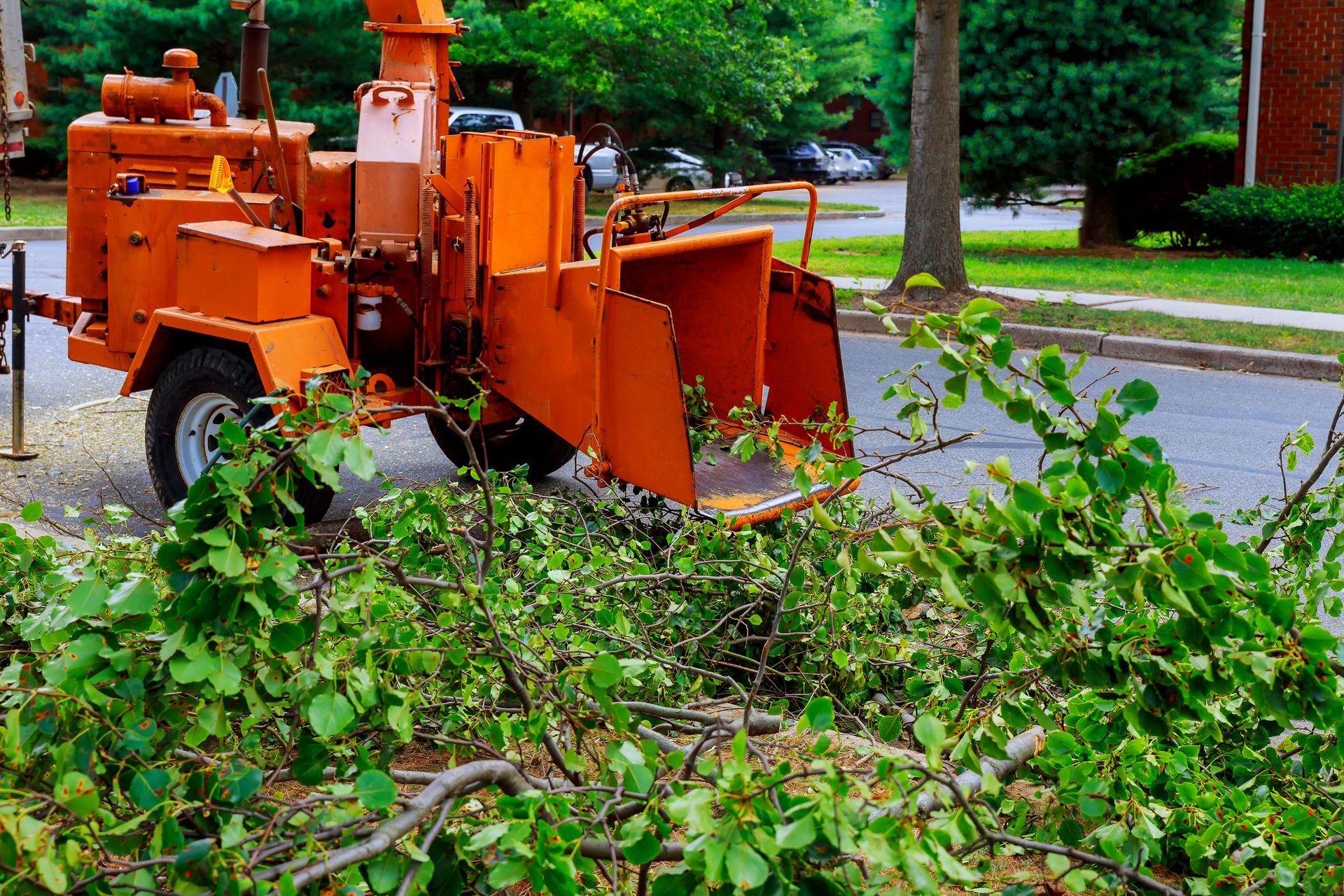
Wood chips can be used as mulch in garden beds, helping retain moisture and suppress weeds. Alternatively, you can remove the debris and fill the hole with soil to create a level surface.
Replanting is another option after stump removal, but it is important to ensure the soil is properly prepared. Removing remaining roots and adding fresh topsoil can improve conditions for new plants or grass.
Preventing Future Stump Issues
Taking preventative measures can help avoid similar issues in the future. When removing a tree, consider addressing the stump at the same time rather than leaving it behind. This proactive approach saves time and effort later.
Regular tree maintenance is also essential. Keeping trees healthy reduces the likelihood of disease or damage that may require removal. Consulting with an arborist can provide valuable guidance on proper care and long-term planning. By staying proactive, you can minimize the need for future removal and maintain a healthier landscape overall.
Considering Costs and Budgeting
The cost of removal can vary depending on several factors, including the size of the stump, its location, and the method used. Smaller stumps are generally less expensive to remove, while larger or more complex jobs may require additional time and equipment.
Professional services may have higher upfront costs, but they often provide better results and save time. DIY methods may seem more affordable, but they can involve hidden costs such as tools, chemicals, and potential damage.
When budgeting for removing stumps, it is important to weigh both short-term expenses and long-term benefits. Investing in a reliable solution can prevent future problems and improve the overall value of your property.
Tree stumps may seem harmless at first, but they can quickly become a source of frustration and risk. Addressing them promptly helps maintain a safer and more attractive outdoor space. With the right approach to stump removal, you can protect your property and enjoy a cleaner, more functional landscape. If you are interested in stump removal for your home, contact Shamblin's Tree Service today to get started!