August 28, 2026
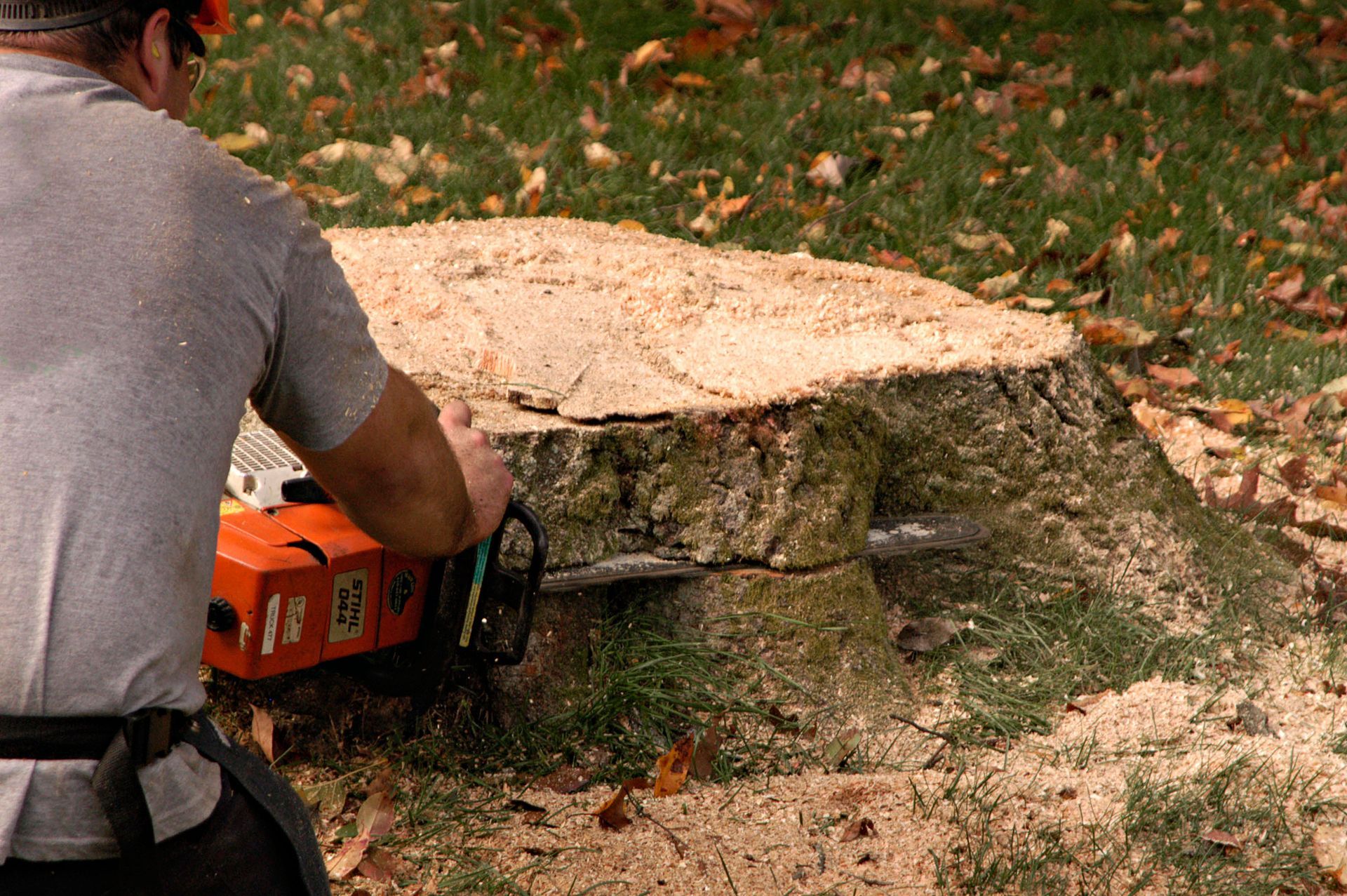
Waiting to address seemingly minor landscaping problems can create larger and more expensive issues over time. A leftover tree stump may initially seem harmless, especially when it sits away from heavily used areas of the yard. However, as the wood begins to decay, it can attract pests, interfere with lawn maintenance, restrict landscaping plans, and diminish the appearance of the property. Delaying a stump removal service can allow these problems to develop gradually until restoring the lawn becomes far more difficult. Understanding the risks associated with neglected stumps can help homeowners make timely decisions that protect their outdoor spaces and preserve healthy growing conditions.
1. Recognizing the Risk of Pest Infestations
A decaying stump provides food, moisture, shelter, and protection for numerous insects. Termites and ants are particularly attracted to deteriorating wood, where they may establish colonies that continue growing unnoticed. Although these insects may initially remain concentrated around the stump, they can eventually travel elsewhere in search of additional resources. Wooden fences, sheds, decks, landscape timbers, and even nearby structures may become vulnerable if pest populations are allowed to expand.
Beetles can also take advantage of decomposing wood. Certain beetles lay eggs in damaged or dying wood, allowing larvae to develop inside the stump. As the wood deteriorates further, insects may spread to other susceptible plants or wooden landscape features. Arranging a stump removal service before decay becomes extensive reduces the amount of inviting habitat available to these unwanted visitors. It can also make routine pest monitoring easier because homeowners have fewer concealed areas to inspect.
Stumps may provide shelter for larger pests as well. Hollow areas, exposed roots, and gaps beneath deteriorating wood can offer convenient hiding places for rodents and other small animals. These animals may establish nests or dig around surrounding soil, potentially creating uneven areas in the lawn. Eliminating an unnecessary shelter source can make the property less attractive to animals looking for protected nesting locations.
2. Limiting Mold and Fungal Growth
Fungi are a natural part of wood decomposition, but homeowners may not want significant fungal growth developing in the middle of a maintained lawn. Moisture trapped in an aging stump can encourage mushrooms and other fungal growth, particularly during rainy or humid periods. Spores may then spread through the surrounding landscape. While not every fungus is harmful to plants, excessive growth can complicate lawn maintenance and make it more difficult to determine whether nearby vegetation is experiencing a separate disease problem.
A stump covered with mushrooms, mold, or deteriorated material can also detract from an otherwise healthy landscape. Removing the source of decay provides an opportunity to clean and restore the affected section of the yard. A professional stump removal service can clear the obstruction so the area can be prepared for grass, landscaping, or another appropriate use. Addressing the stump early may also prevent years of gradual decomposition from leaving a larger disturbed area behind.
3. Protecting Nearby Plants and Growing Areas
Neglected stumps can interfere with surrounding plant life in several ways. Large roots may remain beneath the soil long after a tree has been cut down, occupying space that could otherwise support grass, flowers, shrubs, or replacement trees. The stump itself can also shade small sections of the lawn and make watering, fertilizing, and soil improvement more difficult. Plants immediately surrounding the stump may therefore receive inconsistent care compared with vegetation elsewhere on the property.
New shoots can sometimes emerge from a stump or its remaining root system, creating another maintenance concern. These sprouts may need to be repeatedly cut back and can compete visually with planned landscaping. Instead of continually managing unwanted regrowth, homeowners can address the underlying source. Clearing the stump creates a more predictable environment in which new plants can be selected and positioned according to available sunlight, drainage, mature size, and overall landscape design.
4. Making Lawn Mowing Easier and Safer
One of the most noticeable frustrations associated with an old stump is the difficulty it creates during routine mowing. Operators must repeatedly steer around the obstruction, often leaving patches of grass that require separate trimming. Over time, these missed areas can develop an uneven or overgrown appearance. Exposed roots may create additional obstacles that are difficult to see when grass grows over them.
Accidentally striking a stump or large root with lawn equipment can damage mower blades and other components. Even careful operators may encounter concealed wood when mowing close to ground level. Using a stump removal service to eliminate the obstacle can create a smoother maintenance area and reduce the amount of maneuvering required during regular lawn care. Once the area has been properly restored and reseeded, mowing patterns can become more consistent across the yard.
5. Improving Fertilizing and Seeding Results
A lawn generally benefits from consistent access to seed, fertilizer, water, sunlight, and appropriate soil conditions. A large stump disrupts that consistency by occupying an area that cannot be treated like the surrounding turf. Fertilizer spreaders must move around it, grass seed cannot be established directly over solid wood, and watering may collect differently around exposed roots or depressions. These inconsistencies can leave the lawn looking patchy even when the homeowner follows an otherwise careful maintenance routine.
Removing the stump makes it possible to prepare the soil more evenly. Depending on how the stump is addressed, the resulting space may require filling, grading, soil amendments, or reseeding before it blends with the rest of the lawn. Taking these steps provides a better foundation for new grass and makes future fertilizing practices easier. The restored area may take time to establish, but it can eventually become a functional part of the surrounding landscape rather than remaining a permanent obstacle.
6. Expanding Future Landscaping Possibilities
Stumps consume valuable space that could serve a more useful purpose. A property owner may eventually want to enlarge a garden bed, install a walkway, create a seating area, or redesign the lawn. Even a relatively small stump can complicate these plans when its roots extend beneath the proposed project area. Designing around it may result in awkward layouts or require compromises that would otherwise be unnecessary.
Scheduling a stump removal service gives homeowners greater flexibility when planning future improvements. Once the obstruction is gone and the ground has been properly prepared, the space might accommodate grass, ornamental plants, hardscaping, or other landscape features. Removing the stump before beginning a larger project can also simplify planning because contractors and homeowners can work with a clearer, more accessible site rather than adapting every design decision around old tree remnants.
7. Supporting Tree and Shrub Transplantation
Remaining roots can be particularly inconvenient when planting or relocating shrubs and trees. Healthy plants require adequate soil volume for root development, and an old root network may make excavation more difficult. Trying to force new vegetation into a crowded planting area can result in poor positioning or insufficient room for future growth. Existing roots can also complicate efforts to establish straight borders and properly sized planting holes.
Removing unwanted woody material provides more freedom to choose locations based on the needs of new plants. Homeowners can consider sunlight, spacing, drainage, accessibility, and mature growth rather than allowing an old stump to dictate placement. If significant landscaping changes are anticipated, addressing the stump early can prevent it from becoming an unexpected obstacle halfway through the project.
Choosing a stump removal service at the appropriate time can simplify lawn care and create more options for restoring the affected space. After removal, homeowners can focus on grading, soil preparation, seeding, planting, or other improvements rather than continually working around an unwanted obstruction. Prompt attention protects the usability of the lawn while supporting healthier and more cohesive landscaping. Addressing a stump before problems accumulate can ultimately make maintaining an attractive, functional outdoor space much easier. Contact our team at Shamblin's Tree Service today and learn more about our stump removal services.