August 25, 2026
Clearing land is a critical first step in many projects, from construction and agriculture to property expansion and site preparation. While it may seem straightforward, the methods used can significantly impact timelines, costs, environmental conditions, and long-term land usability. Many property owners find themselves choosing between traditional bulldozing and forestry mulching, two widely used approaches within land clearing services. Each method offers distinct advantages, and understanding how they compare helps ensure the right decision is made for the specific goals of a project. Taking the time to evaluate these options early can help prevent costly adjustments later and support a more efficient project outcome overall.
The approach you choose can influence everything from soil health to project efficiency. Traditional bulldozing has long been a go-to method for large-scale clearing, while forestry mulching has gained popularity for its precision and environmental benefits. Both techniques serve important roles, but their outcomes differ based on how the land is handled and prepared. By comparing these methods side by side, property owners can better understand how each option aligns with their needs and expectations.
According to RiseOnlineads.com, land clearing operations using two to three full crews can typically clear between 440 and 660 acres annually, highlighting the scale and productivity that modern land clearing services can achieve. This level of output underscores the importance of choosing the right method to balance efficiency with long-term results. It also demonstrates how experienced crews and proper planning can significantly influence project timelines and outcomes.
Comparing Clearing Methods
Traditional Bulldozing Approach
Bulldozing involves heavy machinery that pushes trees, brush, and debris into piles for removal. This method is known for its ability to clear large areas quickly, making it a common choice for extensive projects that require complete land transformation. It is particularly useful when the goal is to remove all vegetation and prepare the land for immediate development or construction.
Forestry Mulching Process
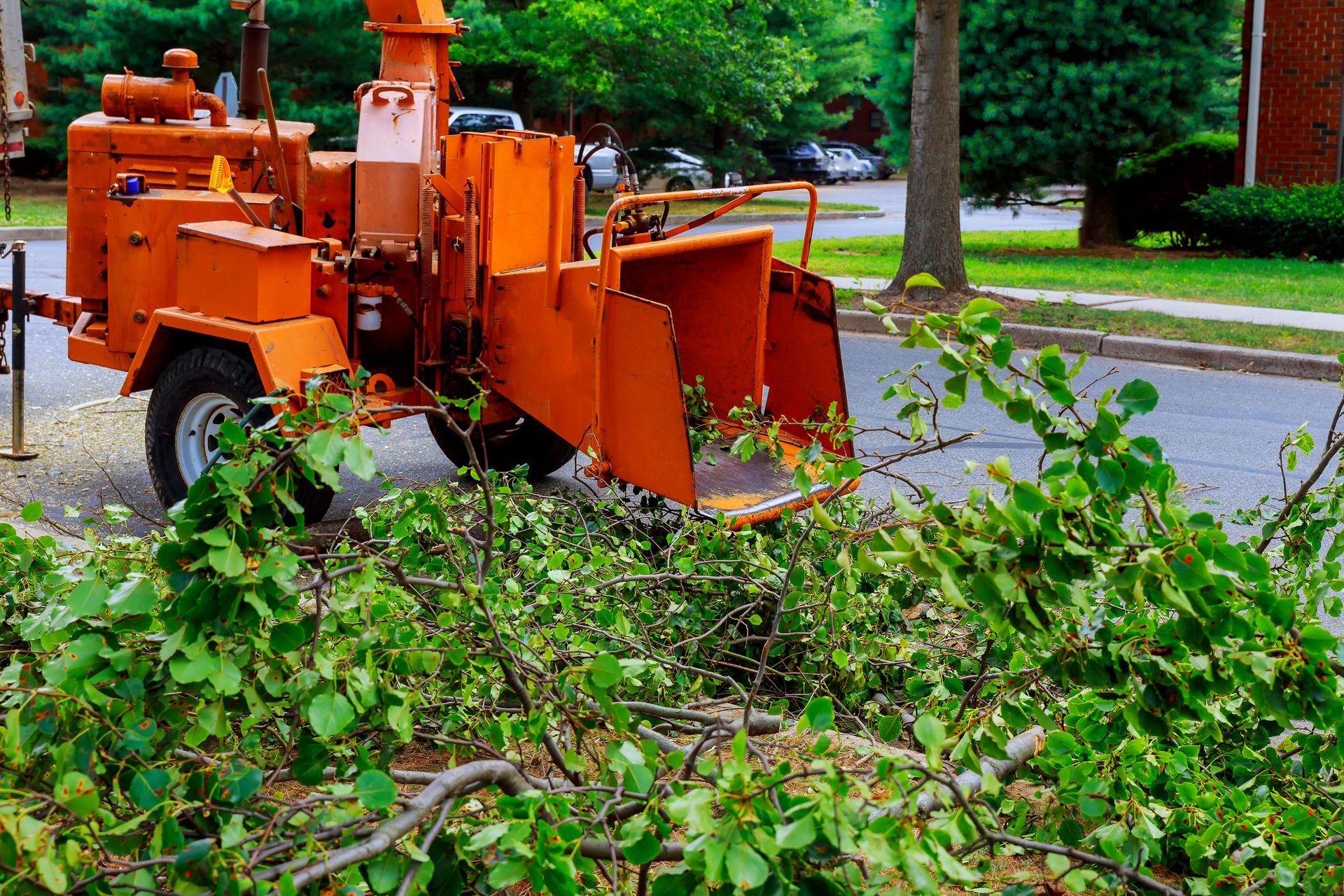
Forestry mulching uses specialized equipment to grind vegetation into mulch directly on-site. Instead of removing material, it is repurposed into a layer that remains on the ground, reducing the need for hauling and disposal. This process not only simplifies cleanup but also contributes to soil enrichment and moisture retention.
Differences in Execution
While bulldozing removes everything down to the soil, forestry mulching focuses on controlled clearing. This difference affects how the land is left after the process is complete, influencing future use and maintenance. The level of disturbance created by each method can also impact how quickly the land can be repurposed.
Application Suitability
Both methods are part of modern land clearing services, but they are suited for different types of projects depending on scale, terrain, and long-term goals. Understanding these differences helps property owners select the most appropriate approach for their specific situation.
Comparing Environmental Impact
Soil Disturbance Levels
Bulldozing often disrupts the soil structure by removing vegetation and topsoil layers. This can increase the risk of erosion and affect long-term land stability. In some cases, additional measures may be required to restore soil integrity after clearing.
Mulching Benefits for Soil Health
Forestry mulching leaves organic material behind, which helps retain moisture and supports soil nutrients. This can improve overall land quality over time. The mulch layer also acts as a protective barrier, reducing exposure to harsh environmental conditions.
Impact on Surrounding Ecosystems
Bulldozing can have a broader impact on surrounding vegetation and wildlife habitats, while mulching tends to be more selective and less disruptive. This makes forestry mulching a preferred option in areas where environmental preservation is a priority.
Sustainability Considerations
For projects prioritizing environmental preservation, forestry mulching is often preferred within land clearing services due to its lower impact approach. It supports sustainable land management practices and helps maintain natural ecosystems.
Comparing Efficiency and Speed
Speed of Bulldozing
Bulldozing is typically faster for large-scale clearing because it removes everything in its path quickly. This makes it suitable for projects with tight deadlines. However, the speed of clearing may be offset by additional time needed for cleanup and disposal.
Mulching Efficiency
Forestry mulching may take more time per acre, but it eliminates the need for additional steps such as debris removal and disposal, which can balance overall project timelines. This streamlined approach can lead to more efficient project completion in certain scenarios.
Labor and Equipment Requirements
Bulldozing often requires multiple machines and crews, while mulching can be completed with fewer resources, depending on the project size. This difference can influence both cost and logistical planning.
Project Timeline Impact
The efficiency of land clearing services depends on both the method used and the project requirements, making it important to evaluate timelines carefully. Proper planning helps ensure that the chosen method aligns with project goals.
Comparing Cost Factors
Initial Equipment Costs
Bulldozing typically involves larger equipment and higher operational costs. These expenses can increase depending on the complexity of the project. Fuel consumption and equipment maintenance also contribute to overall costs.
Debris Removal Expenses
With bulldozing, debris often needs to be transported off-site, adding to overall costs. Forestry mulching eliminates this step by processing material on-site, reducing transportation expenses and simplifying logistics.
Long-Term Land Preparation Costs
Bulldozed land may require additional grading or soil treatment before use, while mulched areas often require less follow-up work. This difference can impact overall project budgeting and timelines.
Overall Budget Considerations
Choosing between these land clearing services involves balancing upfront costs with long-term expenses and project goals. Evaluating both short-term and long-term financial impacts is essential for making an informed decision.
Comparing Land Appearance After Clearing
Bulldozed Land Results
Bulldozing leaves the land cleared down to bare soil, which can create a uniform appearance but may require further preparation before use. This finish is often preferred for projects that require a completely clean slate.
Mulched Land Finish
Forestry mulching leaves a layer of organic material that covers the ground, creating a more natural and finished appearance immediately after clearing. This can enhance the visual appeal of the property.
Impact on Future Landscaping
The condition of the land after clearing influences how it can be developed or landscaped. Mulching often provides a more stable base for certain uses and can support healthier plant growth.
Visual Differences
Land clearing services produce different visual outcomes depending on the method, making appearance an important factor for many property owners. Choosing the right method can help achieve the desired look and functionality.
Comparing Long-Term Land Benefits
Soil Stability Over Time
Bulldozed land may be more prone to erosion without additional treatment, while mulched land benefits from retained organic material. This contributes to improved long-term stability.
Maintenance Requirements
Mulched areas often require less maintenance initially, as the ground cover helps suppress weeds and retain moisture. This can reduce ongoing upkeep efforts.
Adaptability for Future Use
Both methods prepare land for development, but the condition left behind can influence how easily the land can be adapted for specific purposes. Proper planning ensures better long-term usability.
Overall Land Health
The long-term benefits of land clearing services depend on how well the method supports the intended use and preserves the land’s natural qualities. Maintaining soil health is key to long-term success.
Choosing between traditional bulldozing and forestry mulching involves understanding how each method impacts your land both immediately and over time. While bulldozing offers speed and complete removal, forestry mulching provides a more controlled and environmentally conscious approach. Each method has its place, depending on the goals and requirements of the project.
By carefully evaluating factors such as environmental impact, cost, efficiency, and long-term land use, property owners can make informed decisions that support both immediate needs and future plans. The right choice ensures that the land is prepared effectively while maintaining its value and usability.
If you’re planning a project and need reliable solutions, contact Shamblin's Tree Service today to learn how professional land clearing services can help prepare your property with efficiency, precision, and lasting results.