April 24, 2026
Tree removal is an essential yet complex process for many homeowners, especially when safety, property protection, and long-term landscape health are at stake. While trees enhance curb appeal, provide shade, and contribute to environmental balance, they can also become liabilities when they are diseased, structurally compromised, or poorly positioned. Understanding when removal is necessary and how the process works allows homeowners to make informed decisions that protect both their property and the surrounding environment. A thoughtful approach to tree removal can prevent costly damage while maintaining the overall usability and appearance of outdoor spaces.
Beyond the immediate safety concerns, tree removal also plays a role in long-term property planning. Whether preparing for construction, redesigning a yard, or addressing storm damage, removing trees requires a balance of planning, proper equipment, and skilled execution. By learning about the factors involved—from risk assessment to cleanup—homeowners can better navigate the process and feel confident in their choices. With the right preparation and knowledge, tree removal becomes a manageable project rather than an overwhelming task.
Understanding the Need for Tree Removal
Recognizing when tree removal is necessary begins with evaluating the condition and impact of trees on a property. Trees that show signs of disease, decay, or pest infestation can quickly become unstable, increasing the likelihood of falling branches or complete collapse. Discoloration, hollow trunks, and visible fungi are often indicators that a tree’s internal structure is weakening. Addressing these issues early reduces risks and helps maintain a safer outdoor environment.
Property damage is another major factor driving the need for tree removal. Overgrown branches can scrape roofs, clog gutters, or interfere with siding, while root systems may disrupt foundations, driveways, and underground utilities. During storms or high winds, weakened trees pose an even greater threat, potentially causing severe structural damage. Removing problematic trees before they fail can prevent expensive repairs and protect valuable assets.
Aesthetic and functional concerns also influence decisions about tree removal. Trees that block sunlight, crowd other plants, or disrupt the visual balance of a yard can limit how outdoor spaces are used and enjoyed. Strategic removal can open up space, improve plant health, and create a more cohesive landscape design. According to IBISWORLD, Most tree service companies offer basic trimming, but only a few offer specialized services like tree removal, emergency response, and utility clearance. This highlights the importance of selecting providers who can handle more complex needs, particularly when removal involves unique challenges or risks.
Evaluating Safety Considerations
Safety remains one of the most critical aspects of any tree removal project. Trees located near power lines present serious hazards, as even minor contact can result in outages, fires, or injuries. Identifying these risks early allows homeowners to coordinate with utility providers or trained professionals who can manage the situation safely. Attempting to handle such scenarios without proper knowledge can lead to dangerous consequences.
The structural integrity of a tree must also be carefully evaluated before removal begins. Trees that lean significantly, have cracked trunks, or show root damage may behave unpredictably during cutting. These conditions require specialized techniques to control the direction of the fall and minimize hazards. Routine inspections help identify these risks and determine whether removal is the safest course of action.
Nearby buildings, fences, vehicles, and walkways can all be affected during tree removal if proper precautions are not taken. Planning includes mapping out fall zones, establishing clear work areas, and coordinating equipment placement. Protective gear such as helmets, gloves, and eye protection further reduces the likelihood of injury, reinforcing the importance of preparation and awareness throughout the process.
Choosing the Right Equipment and Tools
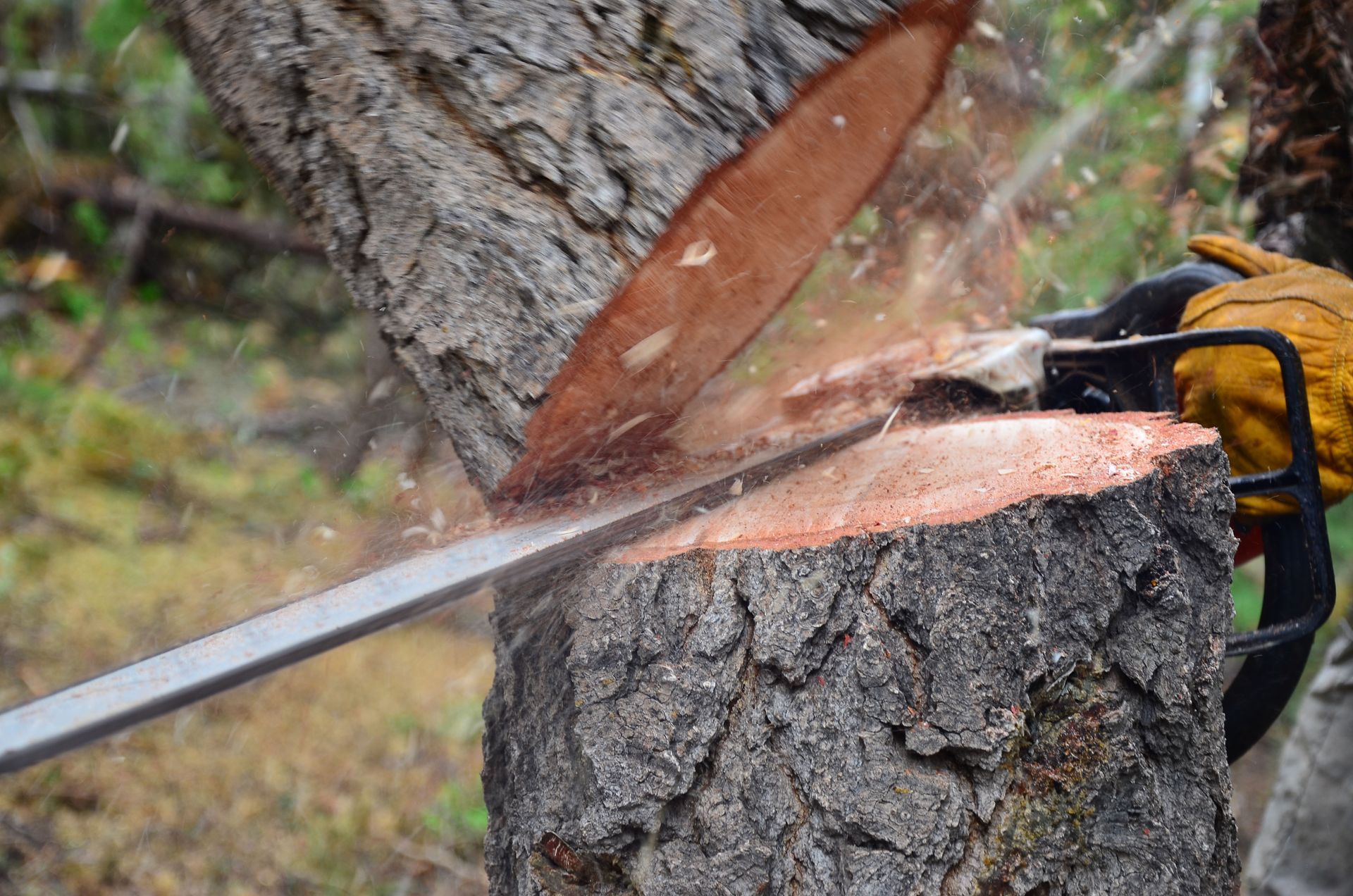
The tools used in tree removal directly impact both efficiency and safety. Standard equipment, such as chainsaws, ropes, and rigging systems, allows for controlled cutting and lowering of branches. Each tool serves a specific purpose, and selecting the right combination depends on the size, location, and condition of the tree. Proper handling of these tools is essential to avoid accidents and achieve precise results.
Advancements in technology have introduced more sophisticated equipment into the tree removal process. Cranes, stump grinders, and specialized cutting devices allow for greater control and reduced physical strain. These tools make it possible to handle larger or more complex removals with improved accuracy, particularly in confined or urban environments. Modern equipment also contributes to faster project completion while maintaining high safety standards.
While some homeowners may consider using basic tools for smaller projects, professional-grade equipment offers significant advantages. It is designed for durability, precision, and demanding conditions, making it more suitable for challenging removals. Regular maintenance, including sharpening blades and inspecting components, keeps tools in optimal condition.
Executing a Step-by-Step Tree Removal Process
A successful tree removal project begins with thorough planning. This includes evaluating the site, identifying potential hazards, and securing any required permits. Planning helps establish a clear strategy, reducing the likelihood of unexpected complications during the process. It also allows for better coordination of equipment and personnel, leading to a more organized operation.
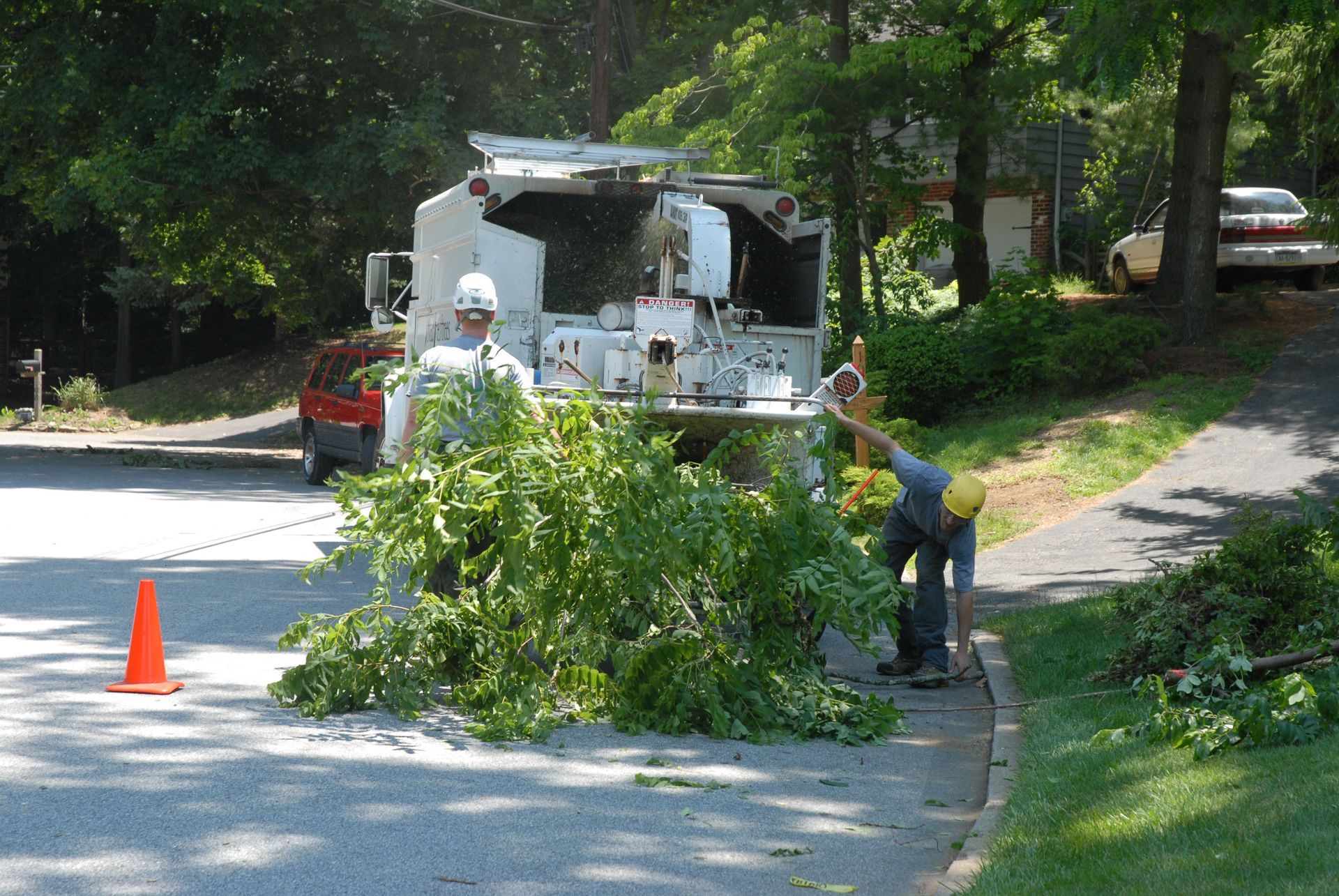
The removal itself typically starts with trimming and removing branches. This step reduces the overall size and weight of the tree, making the remaining structure easier to manage. By working from the top down, crews can maintain better control over falling debris and limit the impact on the surrounding area. Careful execution during this stage sets the foundation for a smooth removal process.
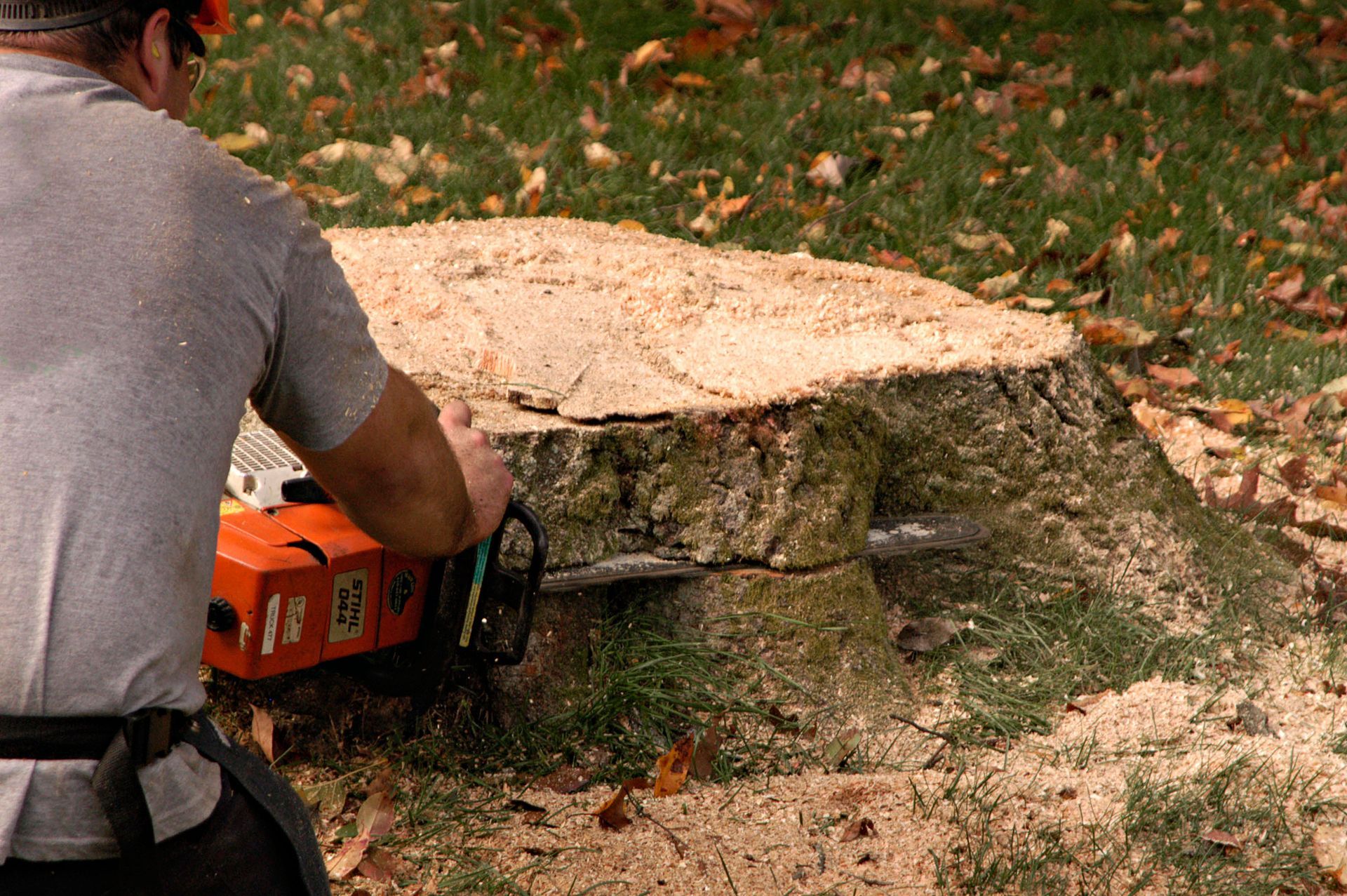
Once the branches are cleared, attention shifts to cutting the trunk and addressing the stump. Sectional cutting techniques allow the trunk to be removed in manageable pieces, minimizing risks. Stump grinding follows, eliminating the remaining base and preparing the area for future use.
Managing Environmental Impact and Disposal
Tree removal does not end with cutting and cleanup; responsible disposal plays a key role in minimizing environmental impact. Many tree materials can be repurposed into firewood, lumber, or decorative features, reducing waste and extending the usefulness of natural resources. Recycling these materials contributes to sustainability while offering practical benefits for homeowners.
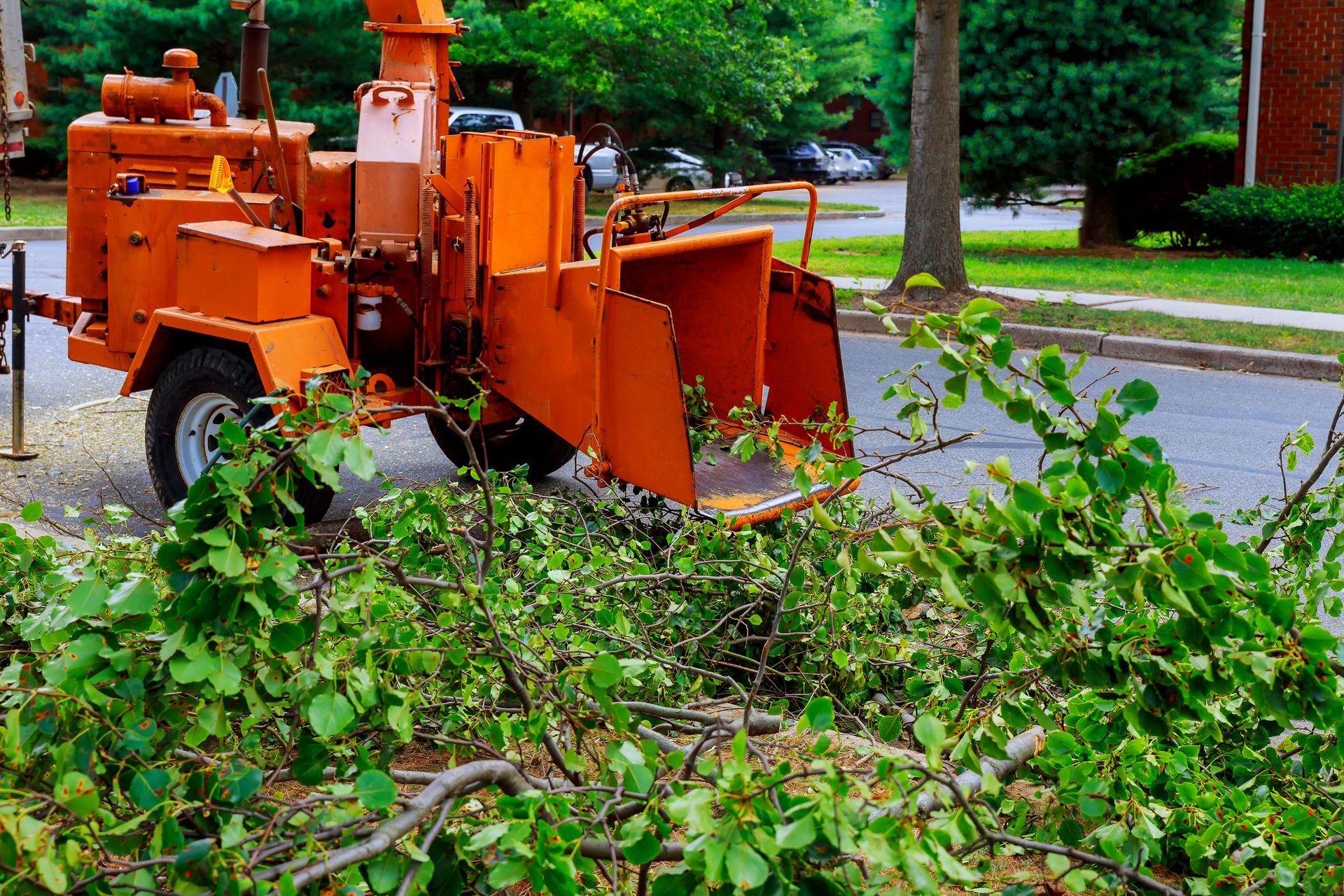
Composting and mulching provide additional environmentally friendly options. Wood chips and organic debris can be processed into mulch that improves soil quality and retains moisture. Composting further breaks down materials into nutrient-rich soil amendments, supporting plant growth and reducing landfill contributions. These practices highlight how tree removal can align with broader environmental goals.
Replanting is another meaningful step following tree removal. Introducing new trees helps restore balance to the landscape, supports biodiversity, and enhances long-term property value. Choosing appropriate species and planting locations allows homeowners to create a more resilient and visually appealing environment. Thoughtful replanting transforms removal into an opportunity for renewal and growth.
Tree removal is a detailed process that combines planning, safety awareness, proper tools, and environmental responsibility. From identifying risks to executing the removal and managing cleanup, each step contributes to a safer and more functional property. Homeowners who take the time to understand these elements can approach
tree removal with clarity and confidence, reducing uncertainty and improving results.
Whether addressing immediate hazards or planning long-term landscape improvements, taking action at the right time can make a significant difference. If you have trees on your property that raise concerns, now is the time to evaluate your options and move forward with a well-informed plan. Reach out to Shamblin's Tree Service to discuss your needs and take the next step toward a safer, more open, and more enjoyable outdoor space.