April 6, 2026
Trees are a vital part of our ecosystem, and they contribute significantly to both property value and the aesthetic appeal of an area. Their majesty and presence not only provide ecological benefits but also offer a sense of tranquility and natural beauty. However, to continue reaping the benefits they offer, trees require regular maintenance. Neglecting tree care can lead to potential hazards and decreased property aesthetics, impacting both safety and overall property value. With rising industry revenue, according to IBISWorld, expected to climb at a CAGR of 5.3% to $39.5 billion through 2025, the importance of tree services has never been more evident.
1. Tree Inspection and Assessment
1.1 Identifying Tree Health Issues
Inspecting a tree to determine its health status is crucial for maintaining its integrity and longevity. Specialists employ various methods and tools to diagnose diseases, pests, and structural issues that could compromise the tree's health. Regular inspections help in early detection, allowing for timely interventions to prevent further damage. Signs of tree health issues can include unusual leaf drop, discoloration, or the presence of pests. Early diagnosis not only helps in maintaining the tree's aesthetics but also in preserving its ecological benefits.
1.2 Evaluating Structural Integrity
Evaluating the structural integrity of trees is essential in identifying potential hazards they may pose to their surroundings. Techniques such as visual inspection and advanced methods like resistograph testing help assess the strength and stability of trees. By understanding the risks associated with weak branches or a compromised trunk, preventive measures can be implemented. Ensuring structural integrity reduces the risk of tree collapse, particularly during storms or adverse weather conditions. Property owners can thus safeguard their homes and surroundings from potential tree-related damage.
1.3 Determining Environmental Impact
Trees interact dynamically with their environment, influencing and being influenced by surrounding structures, power lines, and other flora. Assessing these interactions is part of a comprehensive tree inspection process, particularly in urban settings where space may be limited. Through a detailed understanding of these interactions, strategies can be developed to mitigate risk and enhance the tree's benefits. For instance, correcting the growth direction of a tree can prevent it from infringing on power lines. Strategic planning ensures that trees coexist harmoniously with human-made structures, maximizing their positive impact.
2. Tree Pruning and Trimming
2.1 Importance of Regular Pruning
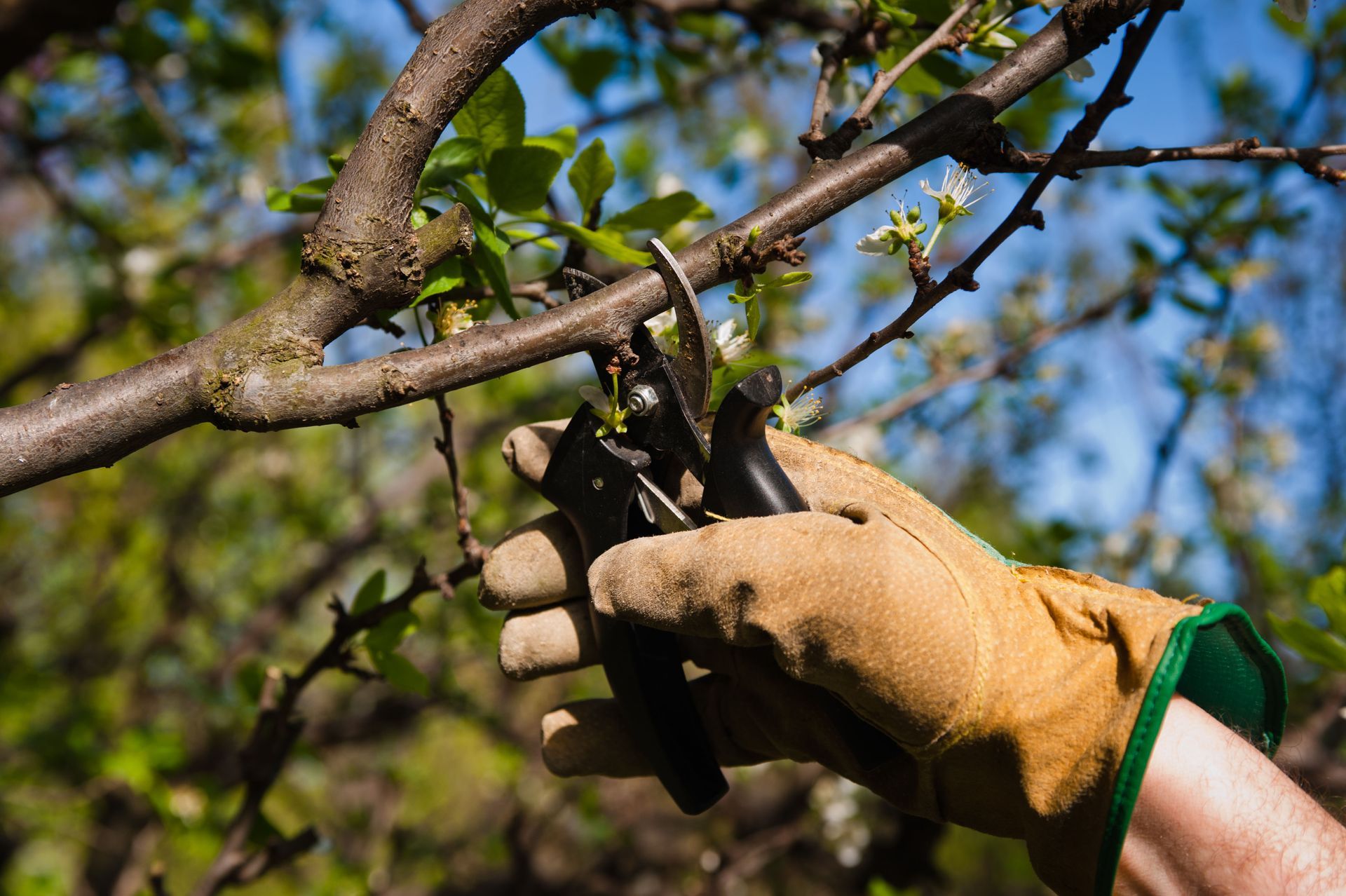
Pruning is an essential maintenance activity that promotes healthy growth and prevents diseases in trees. By removing dead or infected branches, pruning minimizes the spread of pathogens and boosts a tree's vigor. It also allows light and air to penetrate the canopy, enhancing photosynthesis and overall health. Furthermore, strategic pruning can guide desirable growth patterns, ensuring trees remain both functional and beautiful.
2.2 Techniques for Tree Trimming
Effective tree trimming encompasses several techniques aimed at different outcomes. Crown thinning, for example, reduces the density of branches, allowing for better air circulation and light penetration. Crown raising involves trimming the lower branches to clear space beneath the tree, often improving visibility or access. Crown reduction is another technique, reducing the size of the tree by shortening branches, which can mitigate the risk of branch breakage. Each method requires precision and understanding of tree biology to achieve desired results without harming the tree. Professional arborists tailor these techniques to the specific needs of each tree, ensuring optimal health and aesthetics.
2.3 Seasonal Pruning Timing
Timing is critical when it comes to pruning activities, as improper timing can adversely affect tree health. Different tree species have unique growth cycles and are best pruned at specific times of the year. For most trees, the dormant season, typically in late winter, is ideal as it minimizes stress and allows vigorous regrowth in spring. Understanding seasonal growth patterns ensures that pruning has the maximum benefit, aligning with the tree's natural recovery processes. By attuning pruning schedules to these patterns, professional tree services can enhance a tree's resilience and beauty.
3. Tree Removal and Stump Grinding
3.1 Deciding When to Remove a Tree
The decision to remove a tree should not be taken lightly as it has both ecological and aesthetic implications. Evaluating the necessity for removal involves assessing the tree's health, structural integrity, and potential hazards it may pose. Trees that are dead, diseased beyond recovery, or dangerously close to falling are prime candidates for removal. In some cases, trees that disrupt utility lines or infrastructures, or fail to thrive due to environmental incompatibility, may also need to be removed. This careful assessment ensures that property safety and ecological balance are maintained.
3.2 Safe Tree Removal Techniques
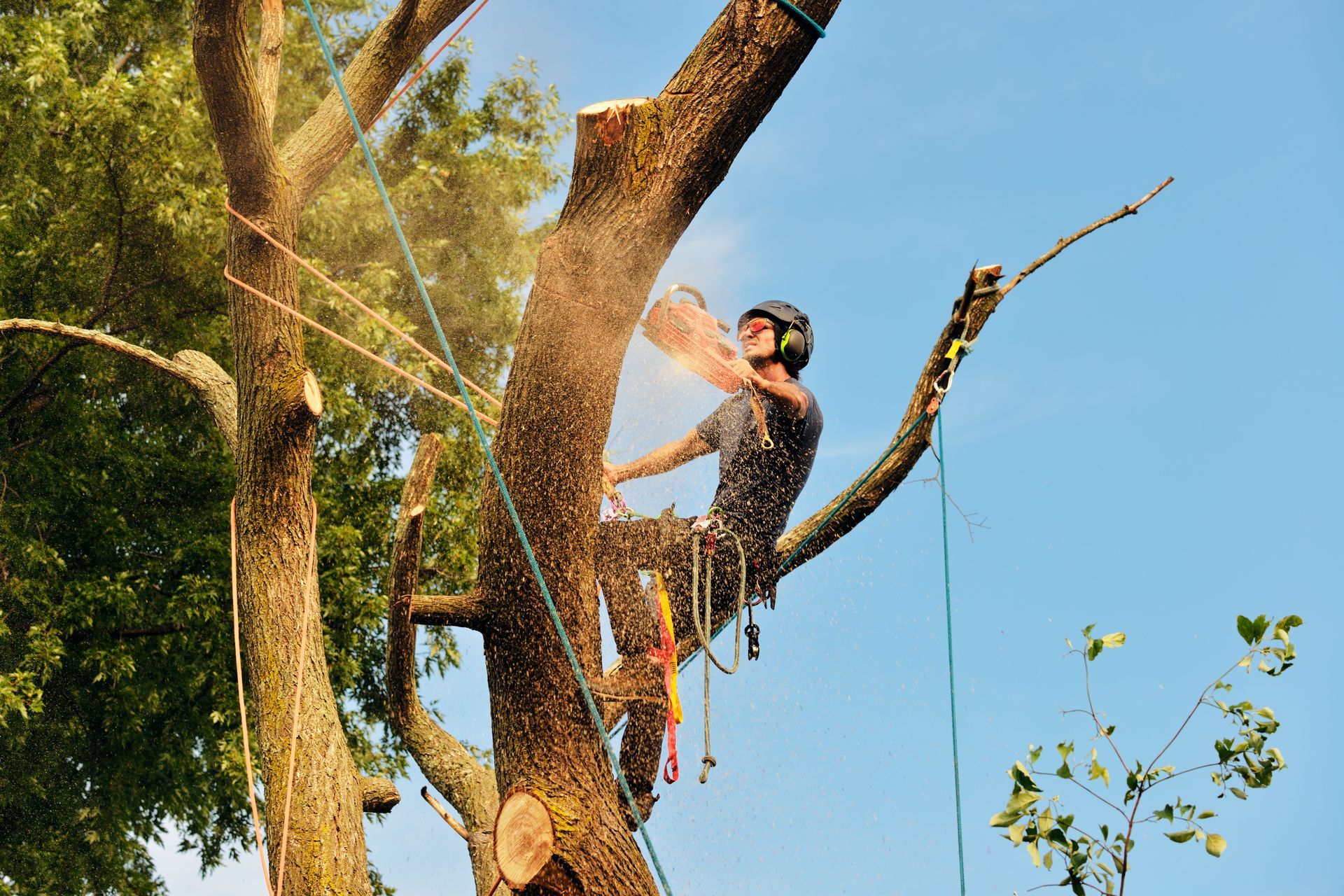
Tree removal requires meticulous planning and execution to ensure the safety of people and property. Techniques such as directional felling, where the tree is cut in a way that it falls in a predetermined direction, are crucial in managing safety concerns. In urban settings, sectional dismantling is often used, where the tree is removed piece by piece to reduce the risk of damaging nearby structures. Safety harnessing and rigging systems support arborists in safely conducting complex removals. Adhering to these methods ensures the process is accomplished with minimal risk and disruption.
3.3 Use of Machinery and Tools
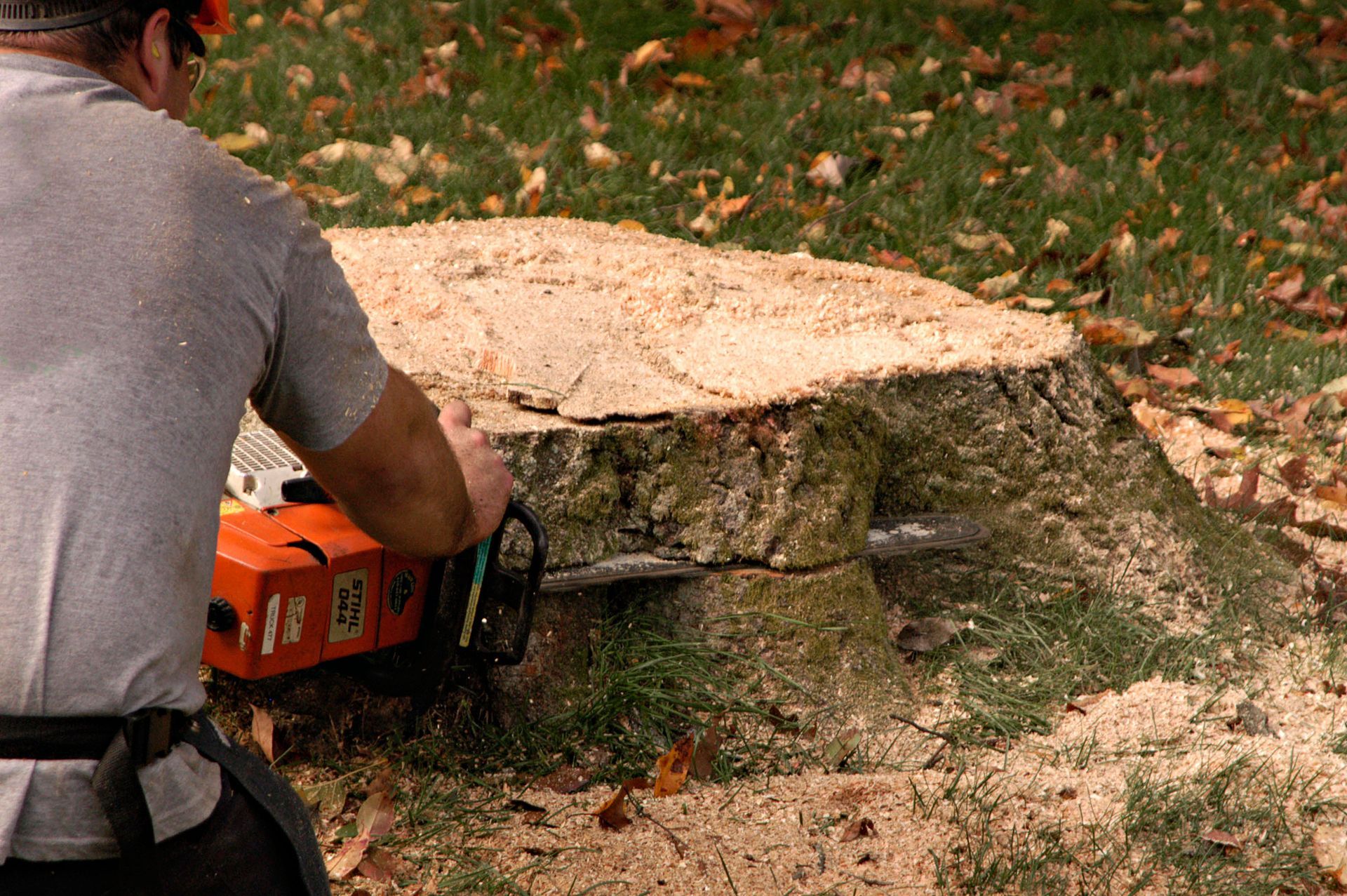
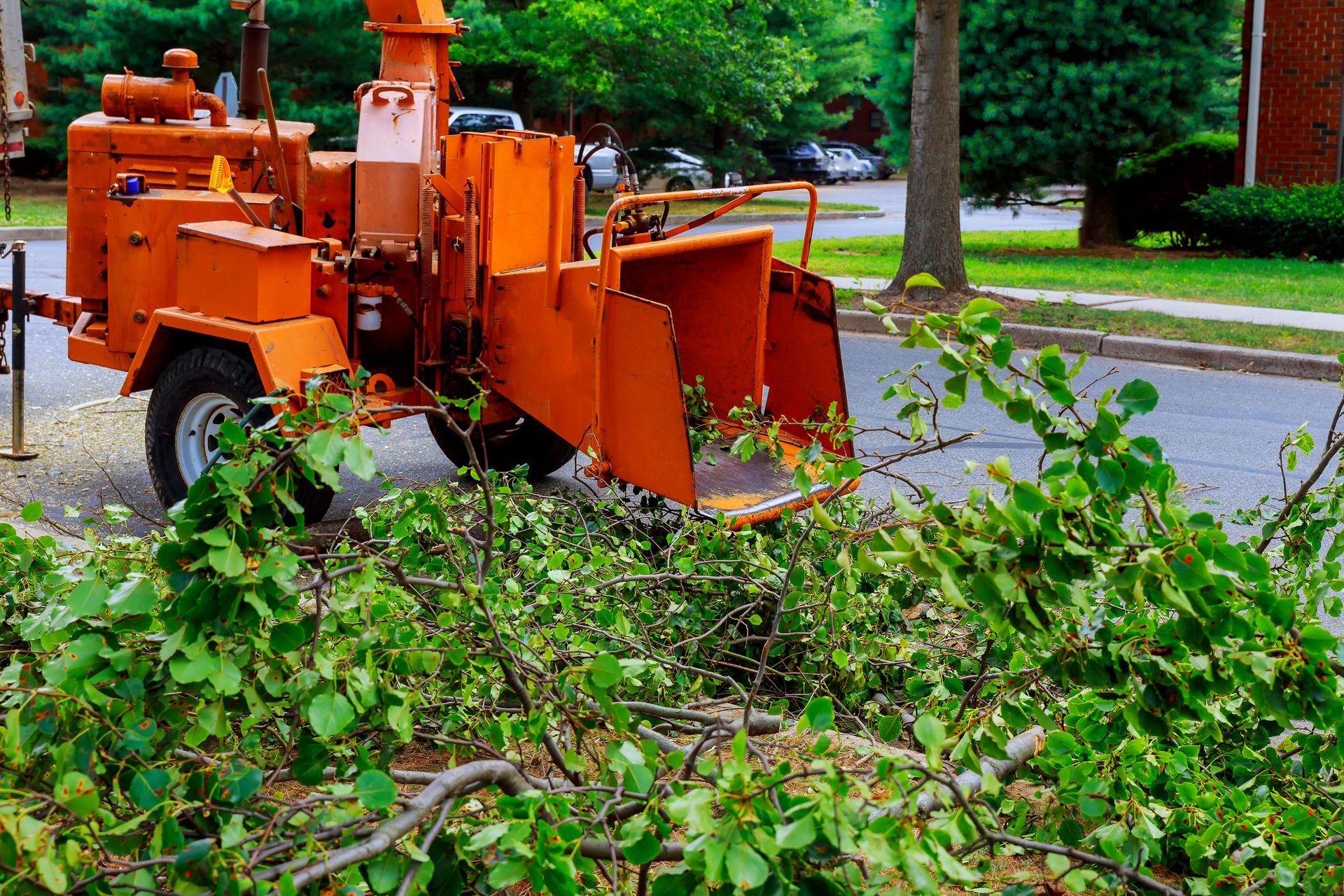
The tree removal process often involves an array of machinery and tools, each playing a crucial role in ensuring efficiency and safety. Chainsaws are fundamental for cutting through branches and trunks, while larger trees may require cranes to safely dismantle upper sections. Stump grinders are used to remove the remaining tree base, preventing regrowth and reducing tripping hazards. Safety gear, including helmets and harnesses, is essential for protecting workers from potential injuries. Employing the right equipment ensures that tree services are conducted efficiently and safely, conforming to industry best practices.
4. Disease and Pest Management
4.1 Common Tree Diseases
Trees are susceptible to a variety of diseases, many of which can lead to their decline if not addressed promptly. Common ailments include fungal infections like oak wilt and Dutch elm disease, which spread through root systems and affect tree vascular systems. Bacterial infections, such as fire blight, typically manifest as blackened or shriveled shoots and leaves. Early identification through symptoms like discolored foliage or ooze is vital for effective management. Understanding these diseases helps in implementing timely interventions and preserving the health of trees.
4.2 Identifying Pests
Pests pose a significant threat to tree health, often resulting in defoliation or even mortality if untreated. Notable pests include emerald ash borers, gypsy moths, and bark beetles, each causing specific types of damage. Identification involves observing specific signs such as bore holes, leaf mining, or visible pest presence. Biological, chemical, and mechanical methods exist for pest management, each suited to different scenarios. Recognizing the presence of pests early allows for control measures before significant damage occurs, preserving tree vitality.
4.3 Treatment Options
Effective treatment of tree diseases and pests requires a tailored approach to each unique situation. Chemical treatments, like fungicides and insecticides, are often used to combat specific threats but must be applied judiciously to avoid environmental damage. Biological control methods involve introducing natural predators to pests or using disease-resistant tree varieties for long-term management. Cultural practices, such as improving site conditions, can enhance tree resilience against threats. Integrating these methods ensures that treatment is both effective and environmentally responsible.
Comprehensive tree services are indispensable for maintaining a safe and aesthetically pleasing property. Regular inspections prevent hazards and promote healthy growth, while pruning and removal address both functional and aesthetic concerns. Thoughtful planning in planting and conservation enhances biodiversity, optimizes resources, and ensures trees continue to provide immense ecological and economic benefits. Proper tree care embodies a commitment to environmental stewardship and community well-being. If you're looking for tree services, contact Shamblin's Tree Service today.