March 25, 2026
Property maintenance involves more than caring for lawns, siding, roofing, and drainage systems. Trees also play a major role in the overall condition, appearance, and safety of residential and commercial properties. While healthy trees can add beauty, shade, and character, damaged, overgrown, unstable, or poorly placed trees can create serious concerns over time. In these situations, professional tree removals become an important part of responsible property care. Removing trees that threaten structures, interfere with landscape function, or show signs of decline can help property owners protect both their land and their investments. When approached strategically, tree removals support safety, preserve usability, improve visual appeal, and make ongoing maintenance more manageable. Understanding how this service contributes to long-term property upkeep can help owners make better decisions about tree-related issues before they become larger and more expensive problems.
Reducing Safety Risks Around the Property
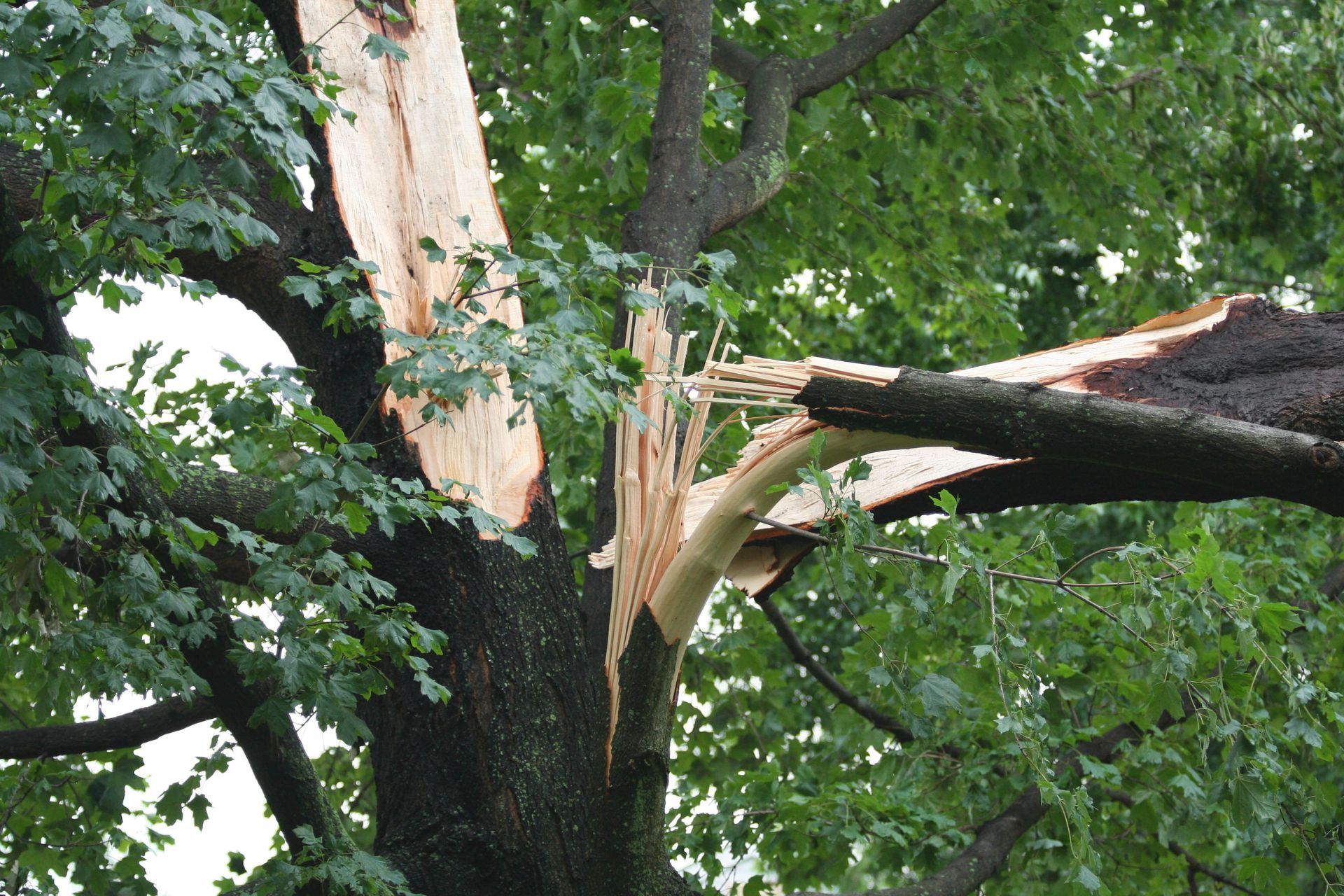
One of the most important benefits tree removals provide is a reduction in safety risks. Trees that are dead, diseased, cracked, hollow, or leaning can become dangerous if they are left in place too long. Falling branches or entire tree failures may damage homes, garages, sheds, vehicles, fences, and utility lines. They can also place family members, visitors, tenants, or employees at risk of injury.
Severe weather often increases these dangers. Heavy rain, snow, wind, and ice can place additional stress on weakened limbs and unstable root systems. A tree that appears manageable during mild weather may fail during a storm or after repeated exposure to harsh conditions. Property owners who address these hazards early are often better positioned to avoid emergencies.
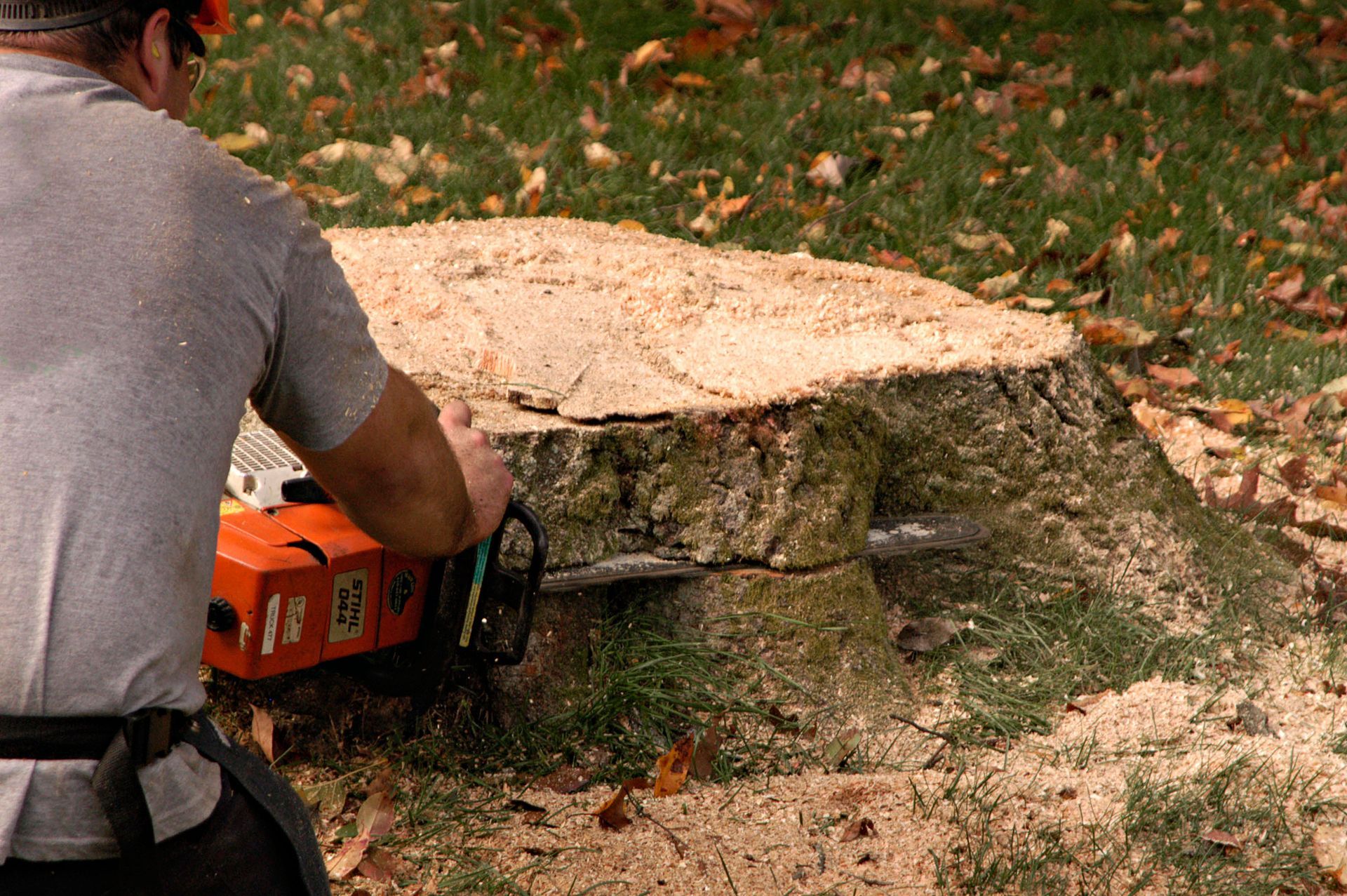
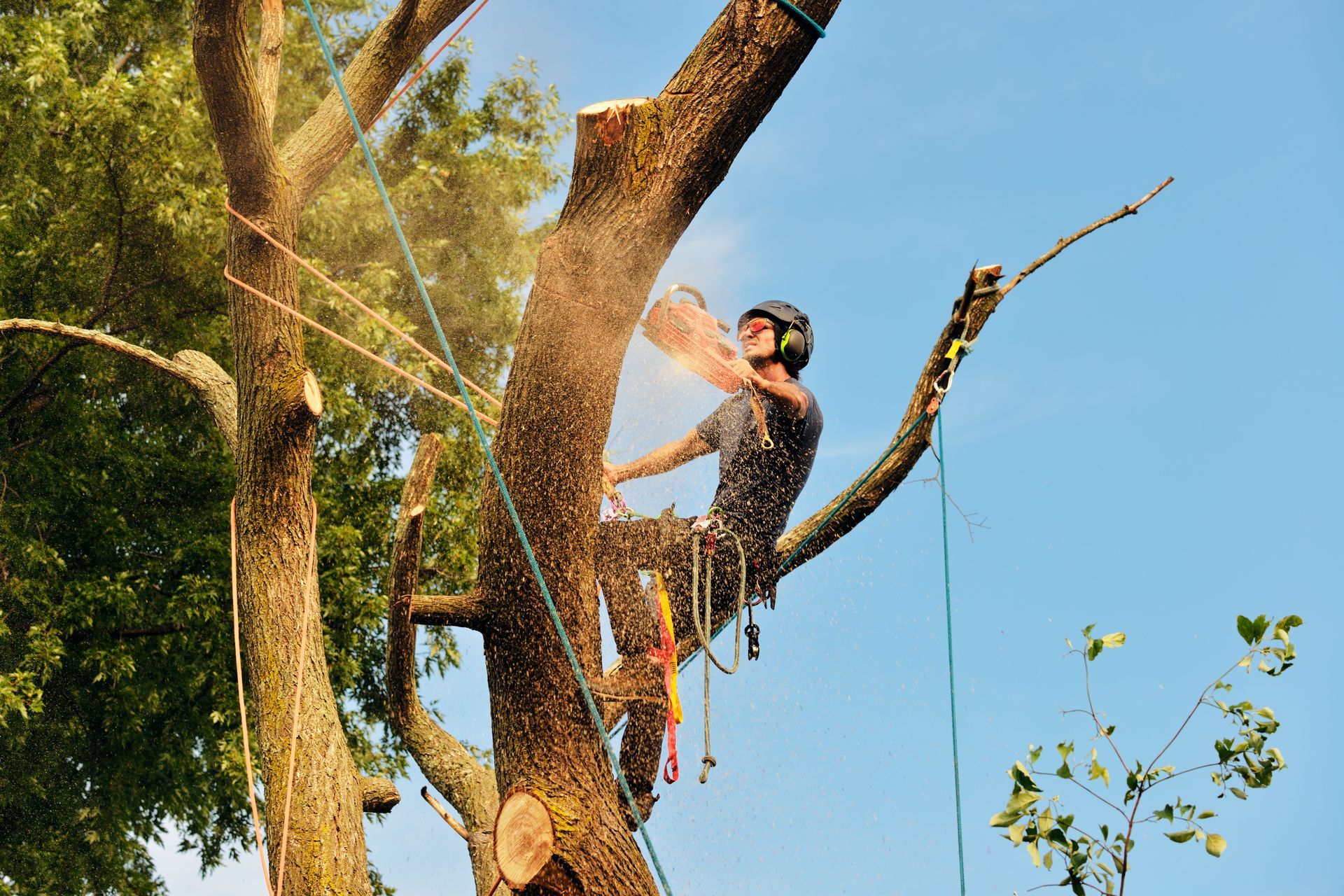
Professional tree removals help eliminate unsafe conditions before they escalate. By removing trees that are structurally compromised or poorly located, property owners can create a safer environment and reduce the chance of sudden damage. This preventive approach is a major part of effective property maintenance because it addresses risks before they affect the rest of the landscape or nearby structures.
Protecting Buildings and Outdoor Features
Trees can affect more than open yard space. Over time, their roots, trunks, and branches may interfere with many parts of a property’s built environment. Branches that extend too close to the roof can scrape shingles, clog gutters, and provide pathways for pests. Trees growing near siding, decks, driveways, patios, and retaining walls may eventually contribute to wear or structural stress.
Roots can be especially problematic when trees are planted too close to foundations, sidewalks, underground utilities, or drainage components. As roots expand, they may shift soil, disturb hardscape surfaces, and create uneven areas that make maintenance more difficult. These issues may not appear immediately, but they can become costly if ignored for too long.
This is one reason tree removals are often part of a broader maintenance strategy rather than an isolated service. Removing a tree that threatens nearby infrastructure can help preserve the condition of buildings and outdoor features while limiting future repair needs. According to the Gaudette Insurance Agency, proactive tree care can lower the risk of tree-related property damage by up to 90 percent. That statistic highlights how closely tree management is tied to property protection. In many cases, timely removal helps owners avoid the compounding costs associated with delayed action.
Improving Landscape Function and Usability
A well-maintained property should not only look appealing but also function efficiently. Trees that are overcrowded, poorly positioned, or excessively large can reduce how usable a property feels. They may block walkways, limit access to driveways, overshadow planting beds, or consume space that could otherwise support recreation, gardening, parking, or future improvements.
In some landscapes, too many trees compete for sunlight, water, and soil nutrients. This can affect turf quality, weaken nearby shrubs, and make it harder for other plants to thrive. Overly dense growth may also create damp, shaded areas where moss, mildew, or poor drainage conditions become more noticeable. These issues can reduce the overall effectiveness of the landscape design and increase maintenance demands.
Strategic tree removals help restore balance to the property. By opening crowded areas and clearing space where needed, property owners can improve circulation, visibility, sunlight distribution, and overall access. This can make the yard easier to maintain and more enjoyable to use. In this way, removals do not simply subtract from a landscape. They can also create opportunities for healthier planting plans, better outdoor organization, and improved day-to-day function.
Supporting Tree Health and Long-Term Planning
Although removing a tree may seem like a loss at first, tree removals can actually support the health of the surrounding landscape when they are part of a larger maintenance plan. Diseased, dying, or severely stressed trees may negatively affect nearby growth if they are left untreated. In some cases, decay, pests, or fungal issues can spread to other trees and plants, especially in tightly planted areas.
Removing a compromised tree may help preserve the condition of healthier specimens by reducing competition and limiting exposure to ongoing problems. It can also allow property owners to replant with species that are more appropriate for the site. A replacement tree may be better suited to the available space, soil conditions, drainage patterns, and mature growth expectations.
This long-term perspective matters in property maintenance because landscapes are always changing. Trees planted years ago may no longer fit the property as it exists today. Renovations, additions, patios, fences, pools, and parking areas can all alter how the land functions. Tree removals allow owners to adapt their landscape to current needs rather than continuing to work around outdated conditions. When decisions are made carefully, removals can help shape a stronger, more sustainable property plan for the future.
Enhancing Appearance and Property Value
Curb appeal is an important part of property maintenance, and trees have a strong influence on how a property looks from the street and throughout the lot. Healthy, well-placed trees often add beauty and dimension. However, neglected, damaged, or awkwardly placed trees can have the opposite effect. They may make the yard look overcrowded, block architectural features, cast excessive shade, or draw attention to areas of decline.
In some cases, a tree may dominate the landscape in an unbalanced way, making the property feel smaller, darker, or less polished. Broken limbs, sparse foliage, visible decay, and storm damage can all contribute to a neglected appearance. This may be a concern for homeowners who want to improve pride of ownership as well as for commercial property owners who want to present a clean and professional image.
Making Ongoing Maintenance More Manageable
Property maintenance becomes more difficult when tree-related issues are allowed to accumulate. Excessive leaf drop, fallen limbs, root interference, blocked gutters, recurring storm cleanup, and hard-to-access areas can all add time and cost to routine upkeep. A problematic tree may require repeated short-term attention without ever resolving the underlying issue.
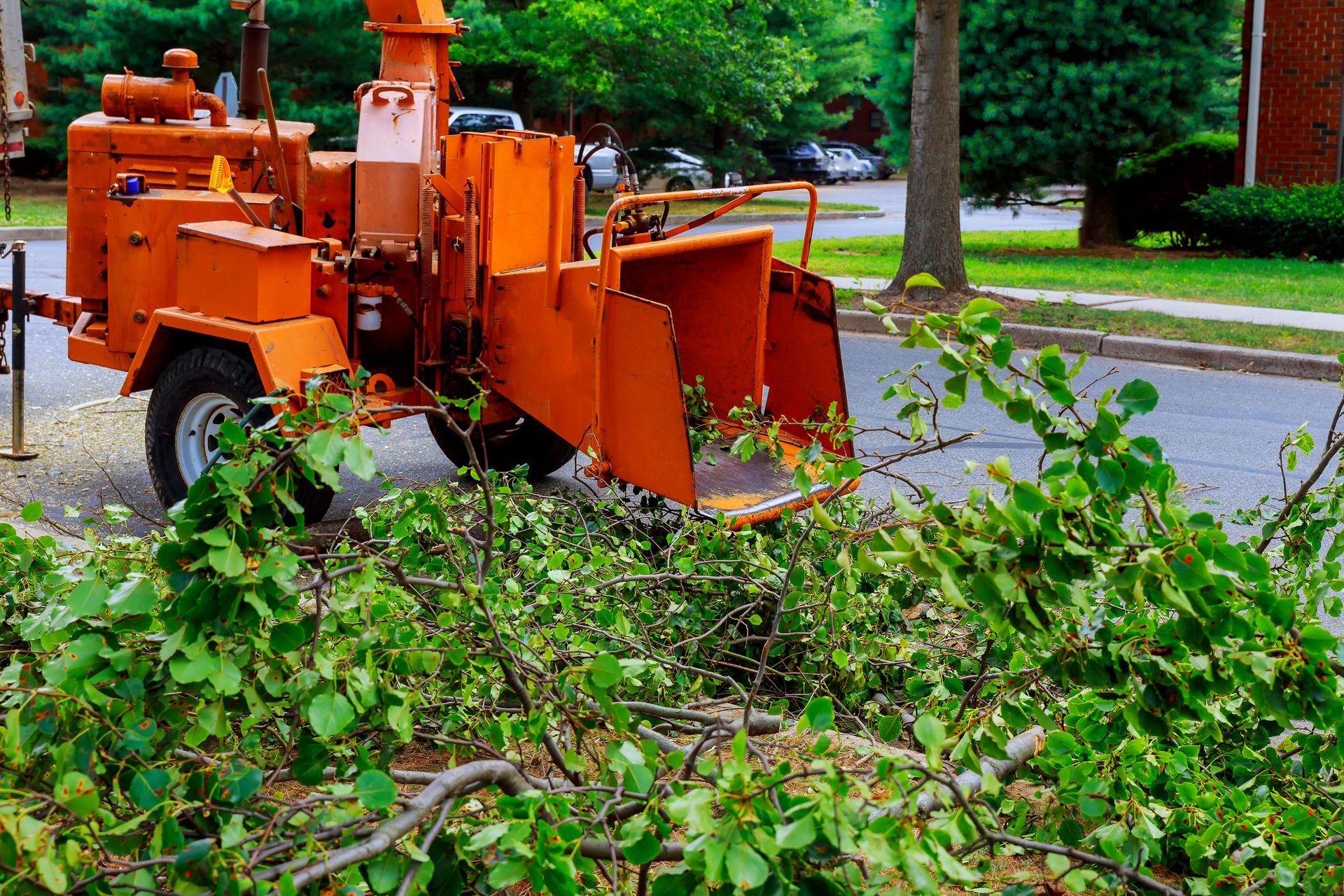
Tree removals can reduce these recurring burdens and simplify ongoing maintenance responsibilities. Once a hazardous or poorly located tree is removed, it may become easier to mow, prune surrounding plants, maintain drainage systems, protect roofing materials, and keep outdoor spaces clean. This can be especially helpful for owners managing larger lots, rental properties, commercial spaces, or aging landscapes that need a more efficient care plan.
Property maintenance is often most effective when it focuses on prevention rather than reaction. Removing trees that no longer serve the property well can reduce the frequency of avoidable repairs, cleanup, and emergency service calls. Over time, that can make the entire property easier to manage and more consistent in appearance and performance. Call Shamblin's Tree Service today to schedule your tree trimming or removal service.