November 4, 2026
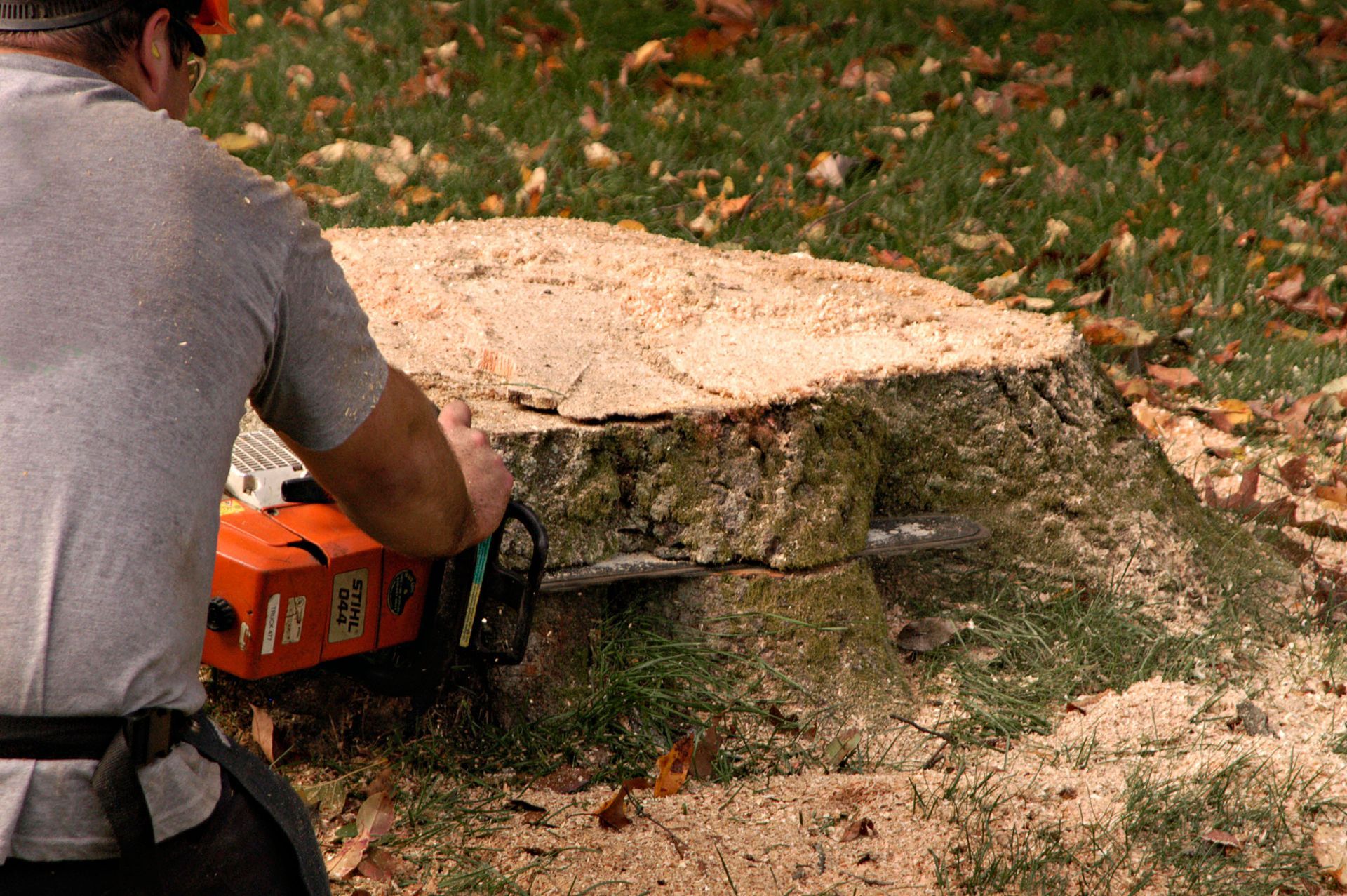
Removing a tree creates opportunities for lawns, gardens, patios, and other outdoor improvements, but a remaining stump can complicate landscaping plans. It may occupy valuable space, attract pests, or cause uneven ground as it decays. Professional stump removal can help property owners prepare the area, coordinate future projects, and create a more functional outdoor space that supports their long-term landscaping goals.
How Stumps Limit Available Landscaping Space
A tree stump takes up room that could otherwise support grass, flowers, shrubs, walkways, or outdoor seating. Its position may interrupt a planned garden layout or prevent a lawn from extending evenly across the yard. Even a small stump can become an obstacle when it sits in a narrow planting bed or near a frequently used path.
These limitations become more noticeable when property owners want to make several improvements at once. A stump near the center of a yard may interfere with patio placement, while one near a fence could restrict equipment access. Keeping it in place may require changes to the original design or leave an awkward area that is difficult to incorporate into the landscape.
Professional stump removal can help reclaim space for planned improvements. Before choosing a solution, property owners should consider the stump's size, location, and relationship to nearby structures and landscaping.
How Stumps Complicate Lawn and Garden Preparation
Establishing a new lawn or garden requires suitable soil, consistent ground conditions, and enough space for plants to grow. A remaining stump can make these preparations more difficult. Exposed wood may interfere with mowing, while roots beneath the surface can occupy areas intended for planting.
Garden plans may need to account for roots extending beyond the visible base of the tree. Depending on the tree species and the condition of its root system, these roots may affect where new plants can be placed. The area may also require additional preparation before grass, flowers, or shrubs can be established.
Planning around existing roots and wood helps property owners make informed decisions about planting locations. If the goal is a continuous lawn or an organized garden bed, addressing the stump before installation may provide greater flexibility.
How Natural Decay Changes the Ground
Wood decomposes gradually, and the process depends on factors such as tree species, stump size, moisture, temperature, and exposure to organisms that break down plant material. According to HomeAdvisor, natural stump decay can take 10 years to several decades. Prompt removal is advisable if a stump attracts pests or develops fungi that may threaten children, pets, or nearby plants.
As the wood breaks down, the ground around the stump may change. Buried roots can decay at different rates, leaving areas where the soil may settle over time. These changes can complicate landscaping projects that depend on a relatively even surface, including lawn installations, walkways, and patios.
Waiting for natural decomposition may not align with a property's improvement schedule. A stump that remains for years can continue occupying planned planting space or create maintenance concerns while the surrounding landscape changes.
How Settling Soil Affects Landscaping Features
Soil stability matters when installing patios, paths, garden borders, and other outdoor features. If buried wood decomposes beneath or near these areas, the surrounding ground may settle unevenly. The extent of any change depends on the size of the root system, soil conditions, and the location of the decaying material.
Uneven ground can affect the appearance and upkeep of a landscape. Lawn areas may develop low spots, while hardscaping projects may require more careful site preparation when roots or decaying wood are present. These possibilities make it useful to assess the area before installing permanent features.
Property owners planning grading, paving, or other substantial improvements should discuss existing stumps with the professionals responsible for the work. Coordinating site preparation early can help identify concerns before new landscaping is installed.
How Stumps Complicate Routine Yard Maintenance
A stump can make regular yard care less convenient, especially when it sits within a frequently mowed lawn. Navigating around it requires additional attention, and exposed roots may interfere with equipment movement. Stumps can also become tripping hazards when grass, leaves, or other ground cover make them difficult to see.
These obstacles may become more noticeable as landscaping matures. Growing plants can partially conceal a stump, making it harder to identify during routine maintenance. A stump near a walkway or play area may also restrict how comfortably people use the space.
Professional stump removal can help clear the affected area and simplify future maintenance. The appropriate method depends on the stump's dimensions, accessibility, nearby structures, and the intended use of the site.
How Decaying Stumps May Attract Pests and Fungi
Decaying wood provides food or shelter for certain insects and other organisms. Fungi may also develop as the stump breaks down. Although many fungi contribute naturally to decomposition, their presence can concern property owners, particularly when children and pets regularly use the yard.
The significance of pest activity depends on the organisms involved and the surrounding conditions. For example, insect activity near a stump may warrant attention if there are concerns about nearby wooden structures. Property owners should also consider whether fungal growth is occurring close to garden beds or areas used by children and pets.
Removing a stump may eliminate one source of decaying wood, although it does not guarantee that pests or fungi elsewhere on the property will disappear. When activity raises concerns, a qualified professional can help determine whether further assessment is appropriate.
How Stumps Interfere With Patios and Walkways
Hardscaping projects require careful planning because patios, walkways, and outdoor seating areas need suitable ground conditions. A stump within the planned footprint can obstruct site preparation and prevent the area from being prepared as intended. Roots may also extend beneath the proposed installation, creating additional considerations for the project.
Evaluating the area before construction begins helps property owners identify potential obstacles. When a stump occupies the intended work zone, professional stump removal may be appropriate. The best approach depends on the site, access for equipment, and the requirements of the planned feature.
Timing also matters when several contractors are involved. Addressing obstacles before paving or construction begins can help coordinate the work and give contractors a clearer view of the ground they will be preparing.
How Stumps Affect New Plantings
New landscaping may include trees, shrubs, flowers, or vegetable gardens. Planting directly over or near a stump can create challenges because existing roots occupy soil and decaying wood may alter local ground conditions. Whether a particular location will support new plants depends on factors such as drainage, available soil, plant species, and the condition of the remaining wood.
Removing a stump does not automatically make every nearby area suitable for planting. The soil may still need assessment and preparation, particularly if the planned landscape includes larger shrubs or replacement trees. Discussing these requirements before planting can help property owners choose appropriate locations and reduce the likelihood of later adjustments.
The timing of stump removal often depends on the property's broader landscaping schedule. If a homeowner plans to install a lawn, expand a garden, or build a patio, evaluating the stump before work begins can help identify obstacles early. Seasonal weather and ground conditions may also influence access and scheduling.
A professional assessment can clarify the stump's size, accessibility, and proximity to structures, landscaping, and underground utilities. Property owners should explain how they intend to use the space so the service provider can discuss suitable options and any preparation that may be needed afterward.
Addressing these factors early can make it easier to coordinate landscaping work and establish realistic expectations for the site. Contact Shamblin's Tree Service to discuss your property and plan the next steps toward a more usable outdoor space.