July 9, 2026
Transforming a cluttered landscape into a fertile canvas requires careful preparation, especially when dealing with residual underground growth. Lingering tree stumps present far more than a simple visual blemish; they actively block the establishment of new root systems and invite destructive pests into your soil. Safely eliminating these obstacles through strategic stump removal is the critical first step toward ensuring your next agricultural or design project can truly thrive.
Understanding the Importance of Stump Removal
Benefits of Removing Old Stumps
Removing old stumps from your property can greatly enhance the aesthetic appeal of your landscape. Beyond appearances, it eliminates tripping hazards and creates a safer environment for children and pets. Stumps can also harbor insects such as termites and beetles, which might eventually spread to healthy plants or nearby structures. Stump removal can prevent these potential infestations from becoming a problem. Additionally, it opens up space for new plants, which can boost your property's overall health and biodiversity.
Issues Caused by Remaining Stumps
Leaving stumps can lead to a range of issues that affect both the functionality and appearance of your landscape. They can cause obstacles when mowing or maintaining your lawn, leading to equipment damage. Their presence can create pathways for diseases to spread among your vegetation. Stumps can also attract fungi, which might not only deteriorate stump remnants but could spread to healthy plants. Addressing these issues promptly can prevent long-term damage and upkeep challenges.
Impact on Soil Health and Land Aesthetics
Old stumps contribute to soil nutrient cycling but may also disrupt soil health if left unmanaged. While decomposing stumps can initially aid soil organisms, excessive root and stump material may slow down the incorporation of nutrients into the soil. According to the USDA Forest Service, about ¼ of stumps and most roots remain in the ground, enriching soil life. However, for optimal new plant growth, their excessive presence should be balanced. Carefully managing stump remnants ensures an aesthetically pleasing landscape that supports both visual and functional landscaping goals.
Assessing the Site and Planning Removal
Inspecting Soil Conditions
Assessing soil conditions is a fundamental part of the stump removal process and subsequent landscape planning. Different soils contain varying components such as clay, sand, and loam that influence moisture retention and drainage. Before embarking on stump removal, understanding these characteristics helps in the selection of appropriate removal techniques. Analyzing soil pH levels and nutrient content provides insights into necessary amendments for future plantings. Preparation based on comprehensive soil evaluation ensures a stable foundation for your landscaping endeavors.
Identifying Stump Sizes and Types
Identifying the types and sizes of stumps is crucial for selecting the best removal methods and tools. Various tree species feature different root structures, which can significantly influence soil disturbance during removal. Knowing stump sizes assists in estimating the level of manpower or machinery required. Larger stumps might necessitate mechanical or professional approaches, while smaller ones could be managed manually or chemically. Tailoring removal strategies to stump specifics reduces landscape disruption while optimizing resource use.
Considering Environmental Factors
Environment plays a major role in stump removal methods and should be integrated into the planning process. Understanding weather patterns can impact the timing of removal to avoid soil erosion during wet conditions. Proximity to water bodies requires careful consideration to prevent contamination from removal activities. Existing landscape features and local flora and fauna must also be taken into account to mitigate ecological impact. By respecting environmental factors, stump removal efforts align with sustainable practices that promote long-term land health.
Methods of Stump Removal
Manual Removal Techniques
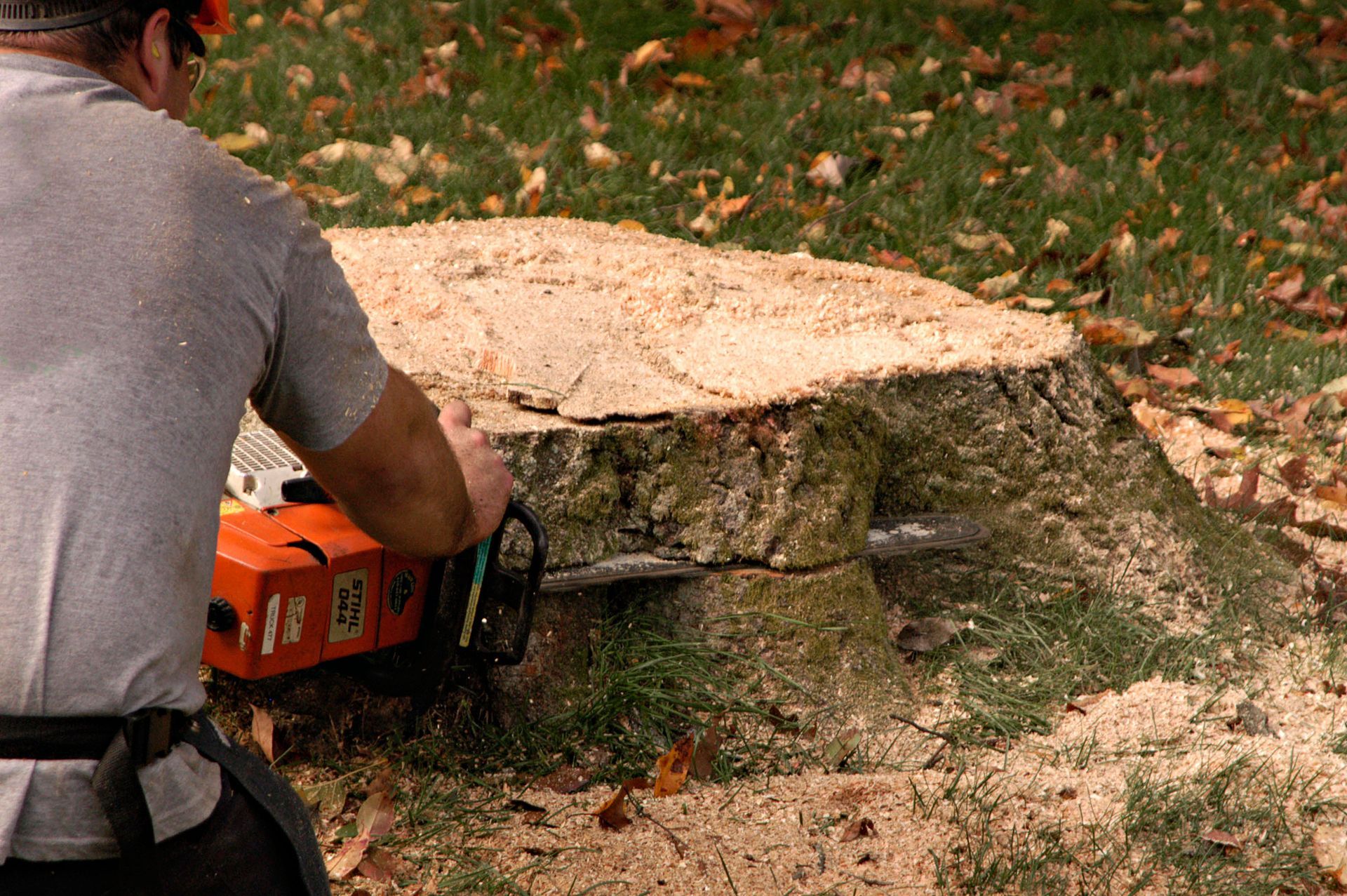
Manual stump removal involves using hand tools like shovels, picks, and axes to remove smaller stumps with minimal ecological impact. This method is labor-intensive and best suited for small to medium-sized stumps due to physical limitations. While it's environmentally friendly, it requires patience and strength and might be inefficient for larger stumps. Employing leverage techniques, such as rocking and cutting roots strategically, can facilitate the manual removal process. This method allows for precise control over the amount of soil disturbance, an important factor in maintaining soil health.
Mechanical Equipment Options
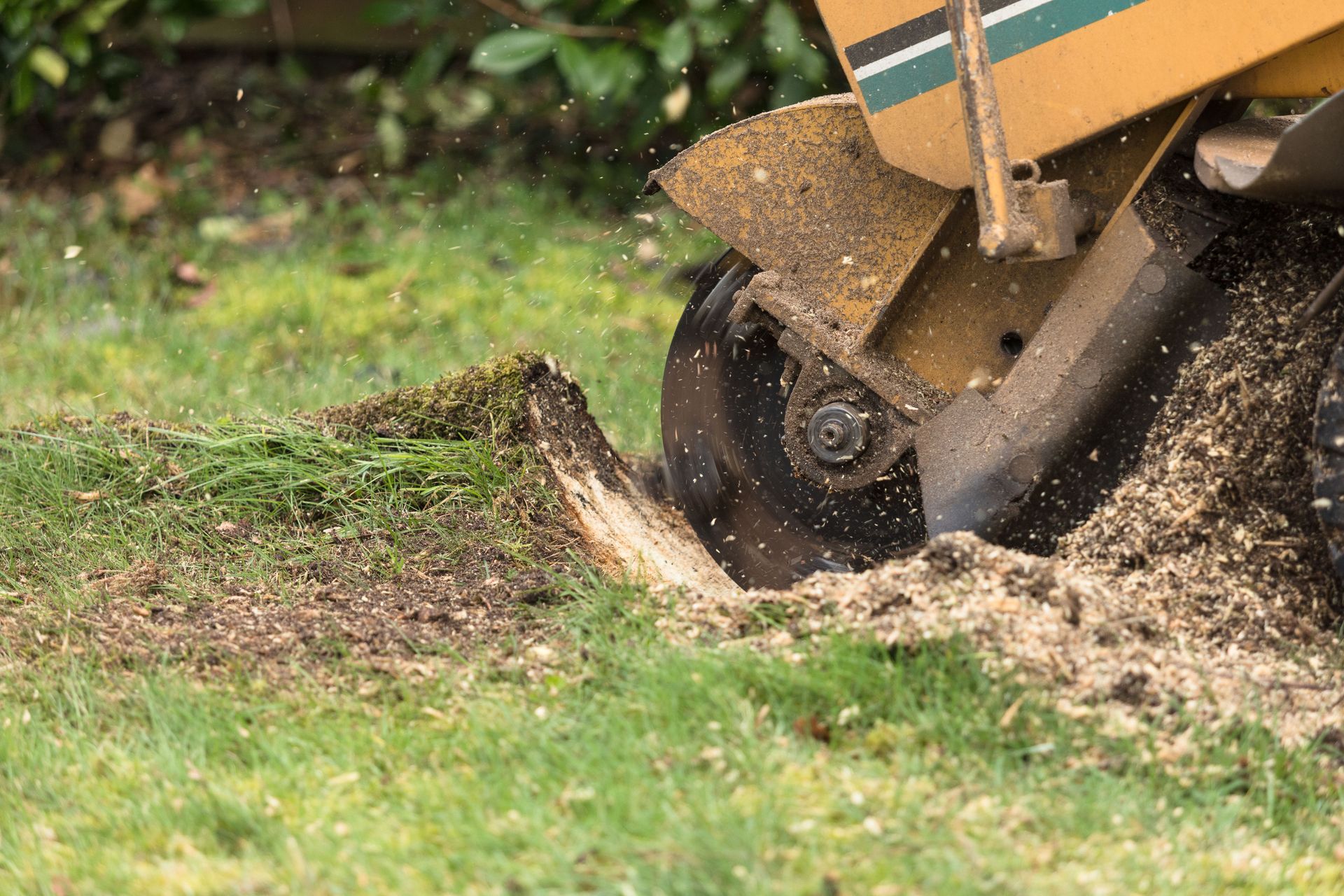
Using mechanical equipment offers an efficient and powerful option for removing larger stumps and roots from the landscape. Tools such as stump grinders can efficiently shred stumps into mulch, reducing overall removal times. Backhoes and other heavy machinery provide the needed force to unearth stubborn stumps with minimal labor. Although practical, mechanical options can result in significant soil disturbance that might necessitate further ground rehabilitation. Choosing this method requires careful consideration of access, equipment availability, and potential disruptions to ensure sustainable land preparation.
Chemical Application Choices
Chemical stump removal involves applying specific substances that accelerate decay and facilitate stump removal, a method ideal for non-time-sensitive projects. These chemicals, often in the form of stump removal products, break down lignin and other components of woody material, softening the stump structure over weeks or months. Careful application adhering to guidelines ensures minimal impact on surrounding soil and vegetation health. While chemical methods are less invasive, they require patience and possibly follow-up treatments for complete removal. This technique is well-suited for gardeners looking to avoid significant physical exertion or use of heavy machinery.
Preparing the Soil for New Plantings
Soil Testing and Amendments
Testing soil is an essential first step in preparing the land for new plantings, as it reveals nutrient levels, pH balance, and texture. Based on these results, amendments like compost, sand, or lime can be applied to correct deficiencies. Amending soil appropriately ensures it can support healthy plant growth and optimize water retention. Customizing these amendments based on the specific needs of your chosen plants can maximize their potential. Doing so creates a balanced environment that fosters vigorous growth and improved plant health.
Leveling and Grading the Ground
Leveling and grading the land are critical steps to ensure proper drainage and lay the foundation for new plantings. Uneven terrain can lead to water retention or runoff, which might degrade soil quality or damage plants. Adjusting slopes and surface variations prepares your property for uniform planting distribution. Leveling also improves accessibility for maintenance and enhances the overall visual appeal of your landscaped areas. Implementing these modifications during the prep phase ensures that your landscape will maintain its desirability and functionality.
Ensuring Proper Drainage
Drainage is a pivotal factor in soil preparation, as poor drainage can compact soil and suffocate plant roots. Improving drainage could involve installing systems like French drains or amending heavy clay soils with sand. Taking such actions helps prevent waterlogged soil, thereby reducing potential plant stress and rot. For optimal development, checking drainage at various soil depths gives a comprehensive understanding of site conditions. With optimal drainage in place, your landscape can support a diverse range of plant species without the risk of water-related issues.
Clearing away subterranean debris represents a critical intervention that fundamentally restores your property's long-term agricultural potential. By selecting the correct manual, mechanical, or chemical extraction methods, you protect surrounding turf from needless disruption while eradicating hidden vectors for wood-boring pests and fungal diseases. Ultimately, following up extraction with detailed soil testing, precise grading, and drainage optimization establishes a nutrient-rich, structurally sound environment where your new botanical additions can flourish seamlessly.
Contact Shamblin's Tree Service today to schedule an expert stump removal service and clear the way for your property's vibrant new landscape!